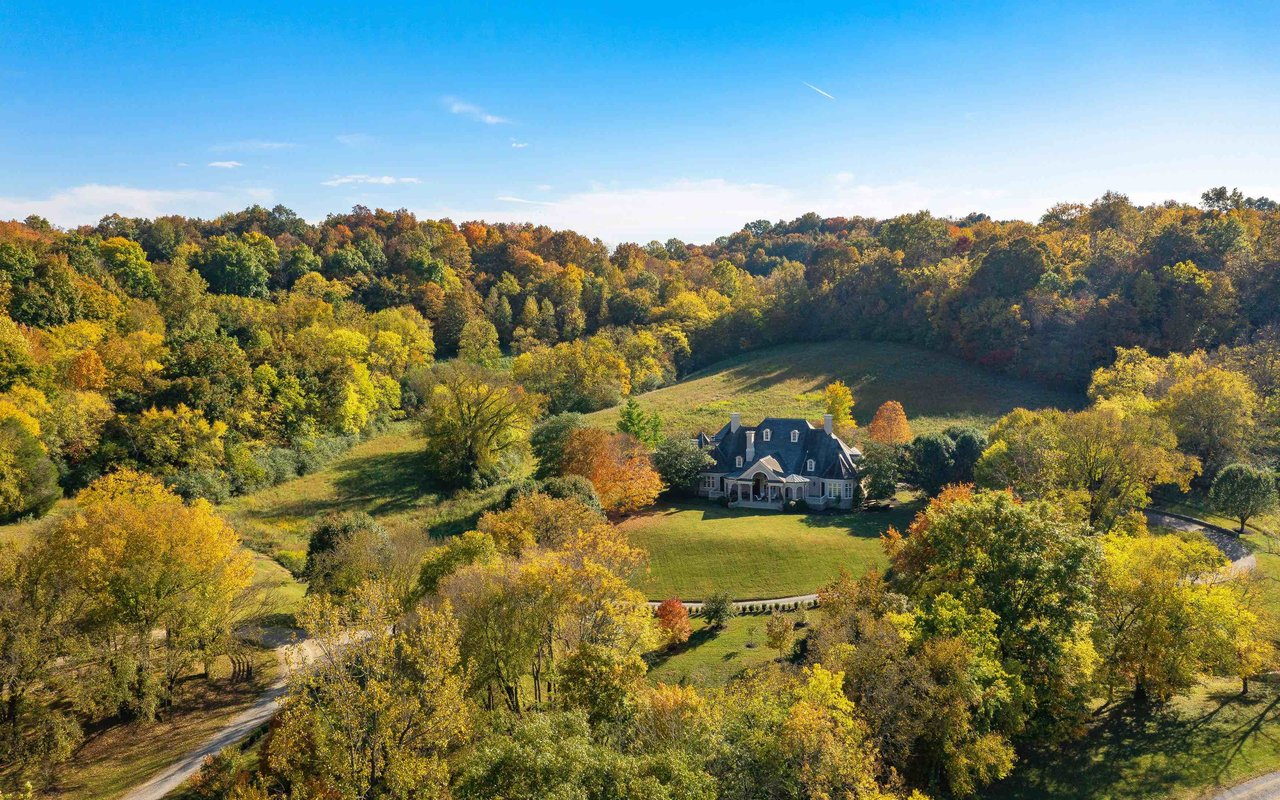
Staring at your one-of-a-kind Leipers Fork estate and wondering how anyone will find comps? You are not alone. Unique properties often do not have recent sales that match acreage, privacy, guest houses and outbuildings, views, and custom design all at once. You deserve a clear path to a credible value and a pricing strategy that respects the uniqueness of your property. In this guide, you will learn how comps work for singular estates in Leipers Fork, what drives value locally, and how to prepare for appraisal and negotiation. Let’s dive in.
Why comps are tricky in Leipers Fork
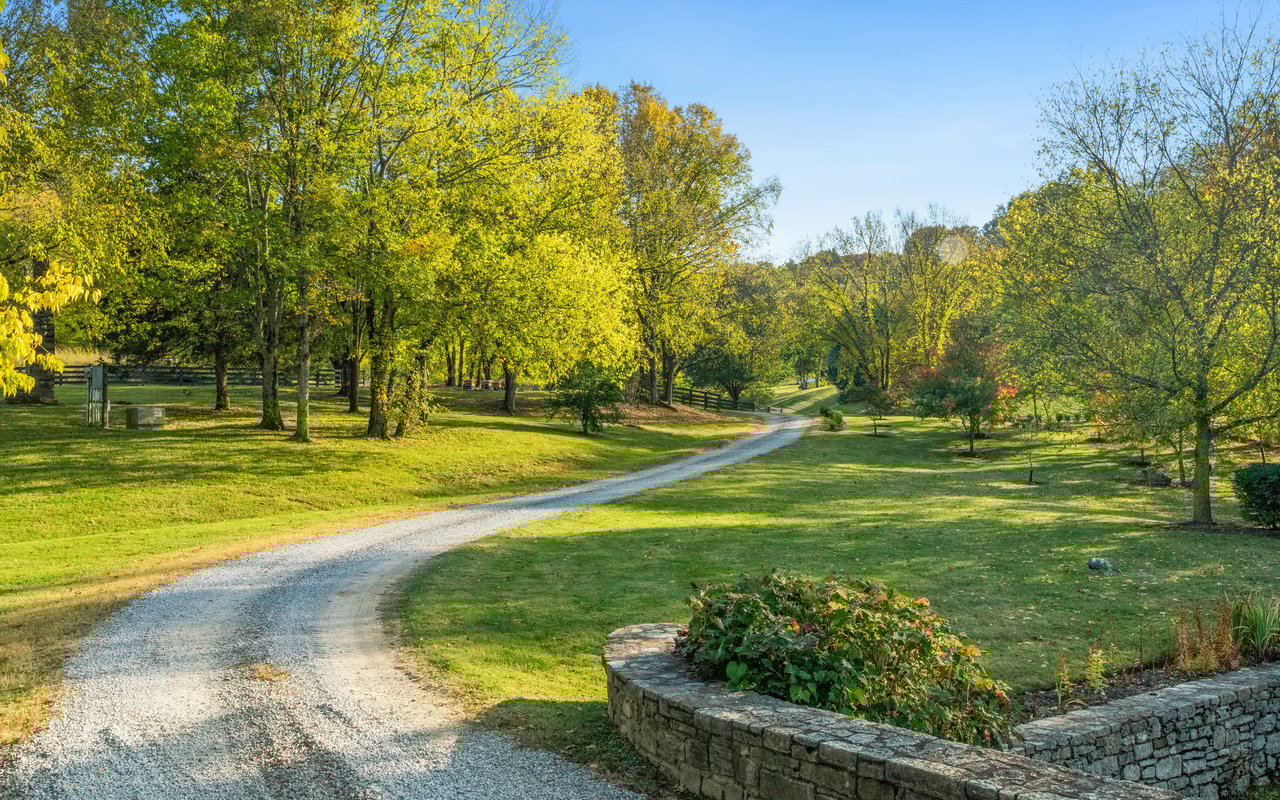
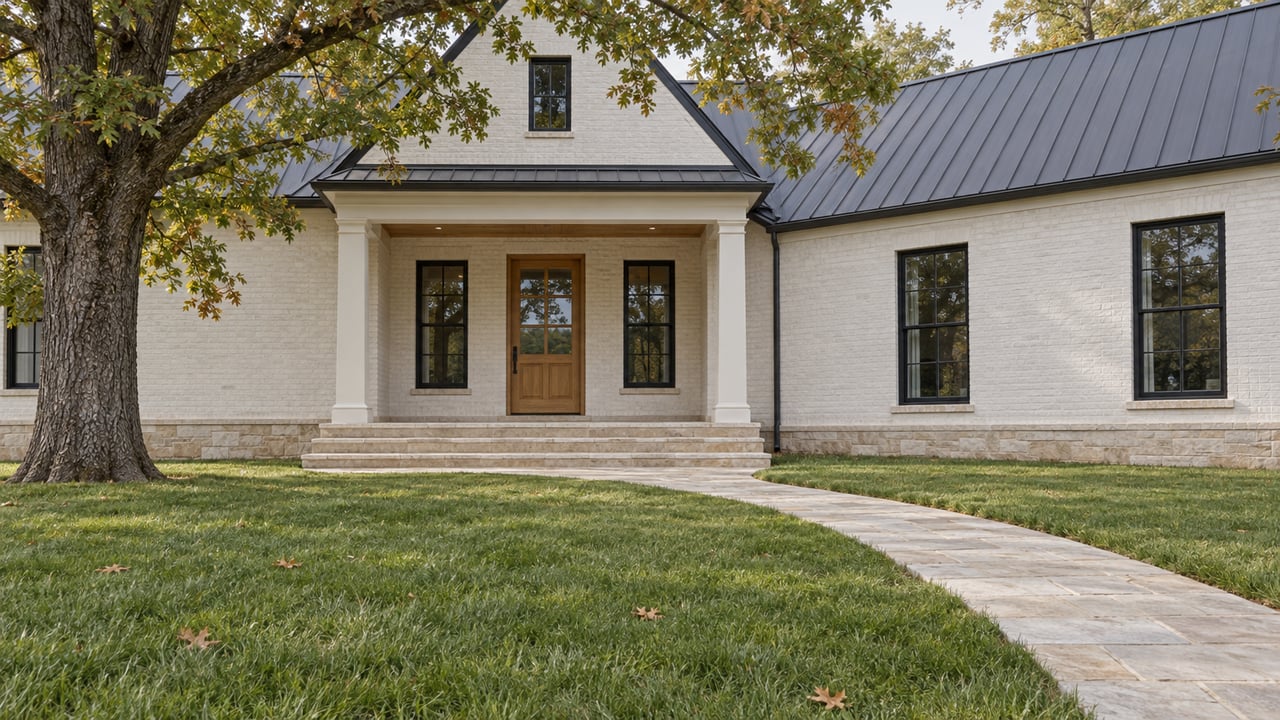
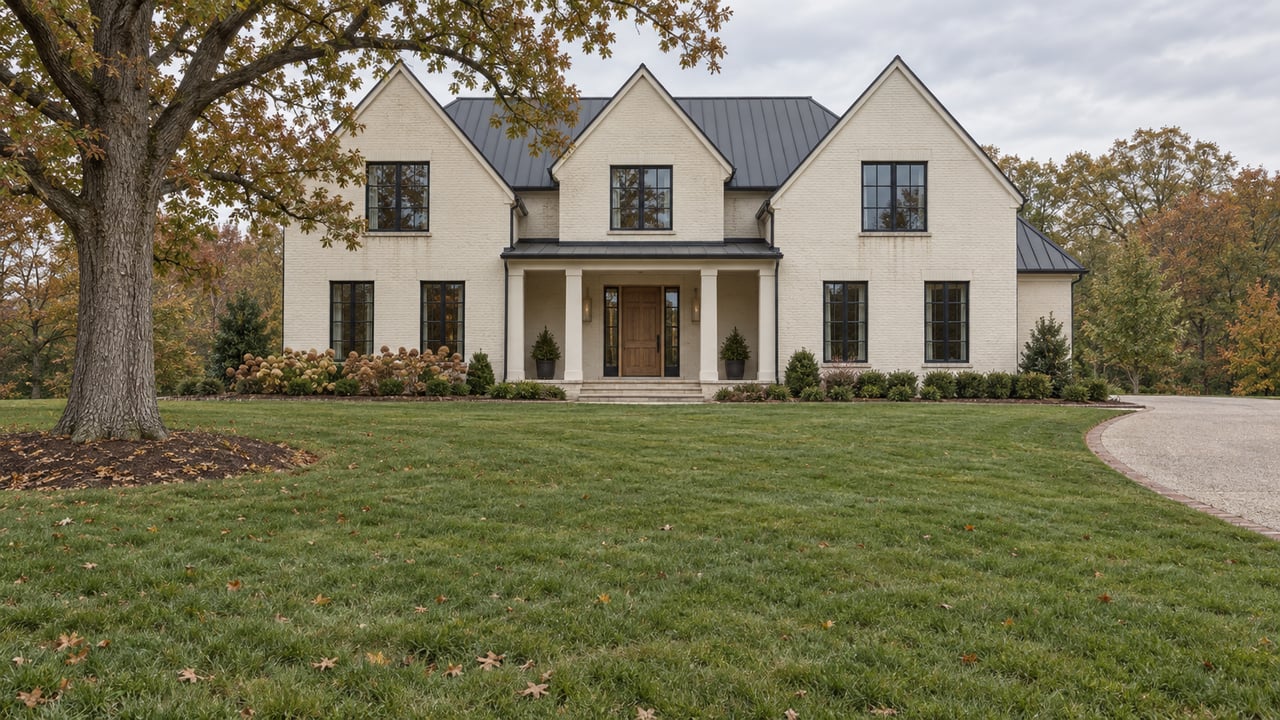
Leipers Fork buyers often pay premiums for acreage in a prime location with privacy, a nice mix of pasture and woods, a pond or creek, and definitely for a newer luxury home with outbuildings or a family compound. Those features are tangible, yet they almost never show up in the same mix from one property to the next. That creates sparse comparable data.
When that happens, appraisers and agents widen their search in time, geography, and property type to find the best available sales, then make well-supported adjustments. We can also "back into" a price by putting a value on the acreage, then adding in things like property infrastructure (think a 1/2 mile paved driveway vs. a gravel road), and of course the home itself and any outbuildings. The goal is a credible opinion that aligns with the Uniform Standards of Professional Appraisal Practice and lender guidelines when financing is involved. You benefit from a thoughtful, knowledgable process - not a quick comparison. Having an agent who knows the current inventory, as well as sales for the past few years, can definitely add value in supporting a proper appraisal.
Appraisal 101: How appraisers value unique estates, in detail
Sales comparison approach
The sales comparison approach is the primary method for residential valuation. Value is inferred from recent sales of similar homes, then adjusted for differences. When direct matches are limited, professionals may:
- Expand the search window or radius and document why each sale is relevant.
- Use paired-sales analysis to estimate adjustments for acreage, finished square footage, or features like a guest house or barn.
- Apply location and time adjustments to reflect market shifts and micro-location differences.
Large or subjective adjustments reduce credibility, so clear rationale and data are essential. Expect more narrative explanation and a careful reconciliation of the evidence.
Cost approach
The cost approach estimates value based on the current cost to replace or reproduce the improvements, minus depreciation, then adds land value. It is useful for custom estates, substantial outbuildings, equestrian facilities, or new construction. Appraisers rely on local cost data, contractor estimates, and a defensible view of depreciation and condition. In practice, it often supports the sales comparison result rather than replacing it for financed deals.
Income approach
This approach matters if all or part of the estate generates income, such as a rented guest house, recording studio, or farming. For most owner-occupied estates in Leipers Fork, it is a secondary indicator. If income is relevant, it must be well documented and consistent with market behavior.
Data modeling and regression
When sample sizes permit, analysts may use statistical tools to estimate how the market values specific features like acreage, bedrooms, or garage count. These models can support adjustments, but they require robust data and careful interpretation.
What drives value in Leipers Fork
Usable acreage
Larger properties typically command a premium in Leipers Fork, especially if additional homes or guest houses can be built on the property, but the price per acre often declines as acreage increases. Usable, buildable land usually contributes more to value than steep or constrained areas. Appraisers examine parcel records, surveys, and recent sales for price-per-acre patterns. Well water versus city water, utilities, flood zones, transmission lines, and subdivision potential can all influence land value.
Privacy, mature landscaping, and tree cover
Established privacy, mature trees, and thoughtful landscaping are top-of-mind for many buyers here. These qualities are hard to quantify, yet they show up in marketing narratives and sale outcomes. Aerial imagery, high-quality photography, and notes from comparable sales help support adjustments for privacy.
Outbuildings and accessory structures
Guest houses, barns, pool houses, and equestrian facilities add value when the market recognizes and pays for them. Permitted status and quality matter. A permitted guest home with utility connections may be considered living area or an accessory dwelling, while unpermitted structures typically are not counted in gross living area. Documentation, use, and condition help appraisers estimate contributory value.
Renovations and quality of finish
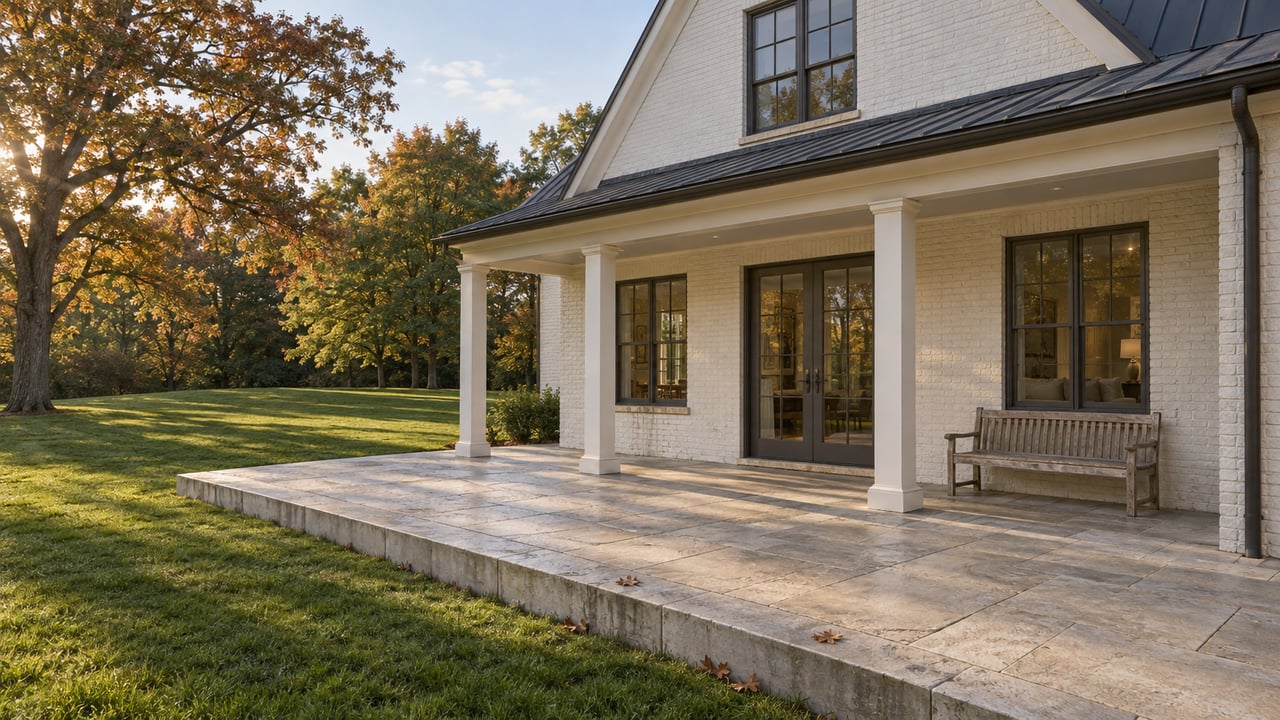
High-quality renovations can lift value and marketability, but the market determines contributory value. Upgrades that exceed neighborhood preferences may not return dollar-for-dollar. Permits, contractor invoices, product specs, and before-and-after photos help demonstrate quality and scope.
Functional utility and floor plan
The way a property lives is critical. A plan with balanced bedroom suites, a true office, and indoor-outdoor flow can draw strong demand. Unusual layouts may help or hinder value depending on market acceptance. Appraisers consider effective age versus actual age when quality and updates extend useful life.
Micro-location, topography, and risk
Street-to-street differences, views, access, and slope shape value in Leipers Fork. Floodplain status and FEMA map designations are material factors that must be disclosed. Local GIS data, surveys, and property inspections help confirm these details.
Legal items, easements, and covenants
Recorded easements, HOA rules, or historic designations can help or hinder value, depending on your buyer’s priorities. Appraisers review public records and local ordinances to assess impact.
Marketability and buyer pool
The buyer pool for large, private estates is thinner than for standard homes. That generally affects days on market. Effective pricing and focused exposure to likely buyer segments can reduce time and risk.
Pricing and appraisal strategy
Pre-listing prep for sellers
A strong file shortens questions and supports value. Consider a pre-listing appraisal or appraisal review by an appraiser experienced with estate properties. Assemble permits, surveys, utility records, renovation documentation, and high-quality photos, including aerials. Clear, organized information improves appraiser confidence and helps buyers understand the value story.
Set a pricing narrative
Pricing should reflect what the market has paid for similar attributes, with adjustments for your unique features. Your agent should prepare a concise narrative that explains the comps selected, the adjustments made for acreage and privacy, and the role of the cost approach for custom elements. Conservative pricing can attract offers quickly, while aggressive pricing may reduce traffic and make appraisal acceptance harder.
Manage appraisal risk
When a buyer uses financing, the appraised value can limit the loan amount. Plan for appraisal gaps by discussing options early. Cash buyers or portfolio lenders may offer more flexibility. You can also prepare an evidence package for the appraiser that includes comparable sales, paired-sales logic, cost estimates for major improvements, and a list of non-typical features.
If the appraisal comes in low
Common paths include renegotiating price, the buyer adding cash, seller concessions, or requesting a lender review or reconsideration with stronger evidence. Collaboration helps. Sometimes a newer sale, clearer paired-sales data, or better documentation of improvements can change the outcome.
Use cost and income as checks
The cost approach can be a useful check for custom builds and extensive outbuildings. Income indicators may matter if your property or a component produces consistent revenue. Both should be presented with supporting data, then reconciled with market evidence.
Your Leipers Fork valuation checklist
Documents and evidence to gather
- Parcel survey and full legal description
- Recent appraisals if available
- Building permits and certificates of occupancy for additions or renovations
- Contractor invoices, specifications, and before-and-after photos
- Utility and septic records, including permits
- HOA or covenant documents if applicable
- Comparable sales from Leipers Fork and nearby areas when relevant
- High-resolution photos, floor plans, and aerial site maps
- Soil tests, well reports, or environmental reports if relevant
Smart questions to ask
- To an appraiser: Which comparable sales will you rely on given limited direct matches? Will you use the cost approach, and how will you support adjustments for acreage and privacy? What is your experience with estate properties in Davidson County?
- To an agent: Which buyer segments are most likely for this property, and how will you demonstrate acreage and privacy value in the marketing packet? Should we obtain a pre-listing appraisal?
- Administrative: What is the expected timeline, fee structure, and any lender requirements that could affect appraisal scope?
When to bring in a specialist
If your Leipers Fork estate includes acreage, guest quarters, equestrian facilities, or a significant renovation history, a specialist can help you shape the valuation narrative and reach the right buyers. A boutique advisor with estate expertise can coordinate pre-listing analysis, prepare a comp packet for the appraiser, and design marketing that highlights privacy, land use, and quality.
If you are weighing a sale or want a second opinion on value, request a confidential conversation with a trusted local advisor. Reach out to Jamie Parsons to discuss your goals and next steps.
FAQs
Why do unique Leipers Fork estates lack true comps?
- Unique mixes of acreage, privacy, and custom features rarely align across recent sales, so appraisers expand the search and make supported adjustments.
How can I show the value of my acreage and privacy?
- Provide surveys, aerials, parcel data, and paired-sales logic that demonstrate how the market paid for similar land and privacy features.
Do renovations add dollar-for-dollar value here?
- Not always, since appraisers value contributory impact based on market preferences and comparable sales, which can be less than cost.
What are my options if the appraisal is below contract price?
- You can renegotiate, add cash, seek seller concessions, or request a lender review or reconsideration with stronger supporting evidence.
Is a pre-listing appraisal worth it for a unique estate?
- Often yes, because it reduces risk, clarifies a defensible range, and helps you anticipate appraisal issues during negotiations.