Is there a right season to bring a long‑held Forest Hills estate to market? If you are managing a family property or preparing your own acreage home for sale, timing and preparation matter more than most people think. You want to protect privacy, honor the property’s legacy, and meet the market at the right moment. In this guide, you will learn how to choose the best season, map a clear timeline, and set up discreet showings that work for Forest Hills estates. Let’s dive in.
Best listing windows in Forest Hills
Forest Hills estates benefit from seasonal buyer patterns. The highest activity traditionally arrives in spring, with a secondary wave in early fall. For legacy and luxury properties, these seasons are strong guides, not strict rules.
Spring momentum
March through May is the classic surge. Search activity rises in late winter, and buyers respond to greened-up landscapes and longer days. If your goal is a spring launch, begin planning in late fall or early winter so you can complete inspections, repairs, and media before the first blooms.
Early fall advantage
September and October offer a second window. The heat breaks, gardens recover, and travel schedules settle. Early fall can be ideal for acreage photography and outdoor living vignettes, while still giving buyers time to close before major holidays.
When off‑peak makes sense
High‑end buyers in Forest Hills often have flexible timelines. If probate, repairs, or family logistics push you off‑season, you can still succeed with targeted outreach, appointment‑only showings, and selective exposure. The key is matching your liquidity needs and privacy preferences to the marketing approach.
Work backward from your target date
Large, complex estates take longer to prepare. A realistic runway protects value and helps you avoid rushed decisions.
9–12+ months out: authority and groundwork
- Confirm selling authority with an estate attorney if applicable, including probate status, executor powers, or powers of attorney.
- Engage a listing agent experienced with acreage and legacy properties to set strategy and sequencing.
- Order or review a recent boundary or ALTA survey to understand easements, rights‑of‑way, and access points.
- Scope major repairs and obtain estimates, prioritizing structural and systems items.
- Begin estate cleanout planning and vendor scheduling.
4–8 months out: inspections and repairs
- Complete major repairs or remediation that add safety and value.
- Schedule whole‑house systems reviews plus septic, well, and pest inspections as applicable.
- Consider environmental checks if the property is older or has special features, such as underground tanks.
- Start a selective staging plan and book any vendors with long lead times.
- If pricing clarity is needed, discuss a pre‑listing valuation approach.
6–10 weeks out: media and messaging
- Finalize landscape cleanup, trim the drive and sightlines, and tidy fields or pasture edges for photography.
- Schedule professional photography, including aerial, twilight, floor plans, and a virtual tour.
- Build out the marketing plan, including luxury MLS features, broker outreach, and a property microsite if appropriate.
- Decide on the showing protocol, including screening requirements and appointment rules.
0–4 weeks out: documents and security
- Confirm title readiness and closing logistics.
- Compile a property information packet with surveys, inspection reports, utility and maintenance records, and any easement descriptions.
- Secure or remove valuables and personal papers.
- Communicate clear showing rules to family or on‑site staff and confirm the preferred access route for guests.
Preparation priorities for legacy estates
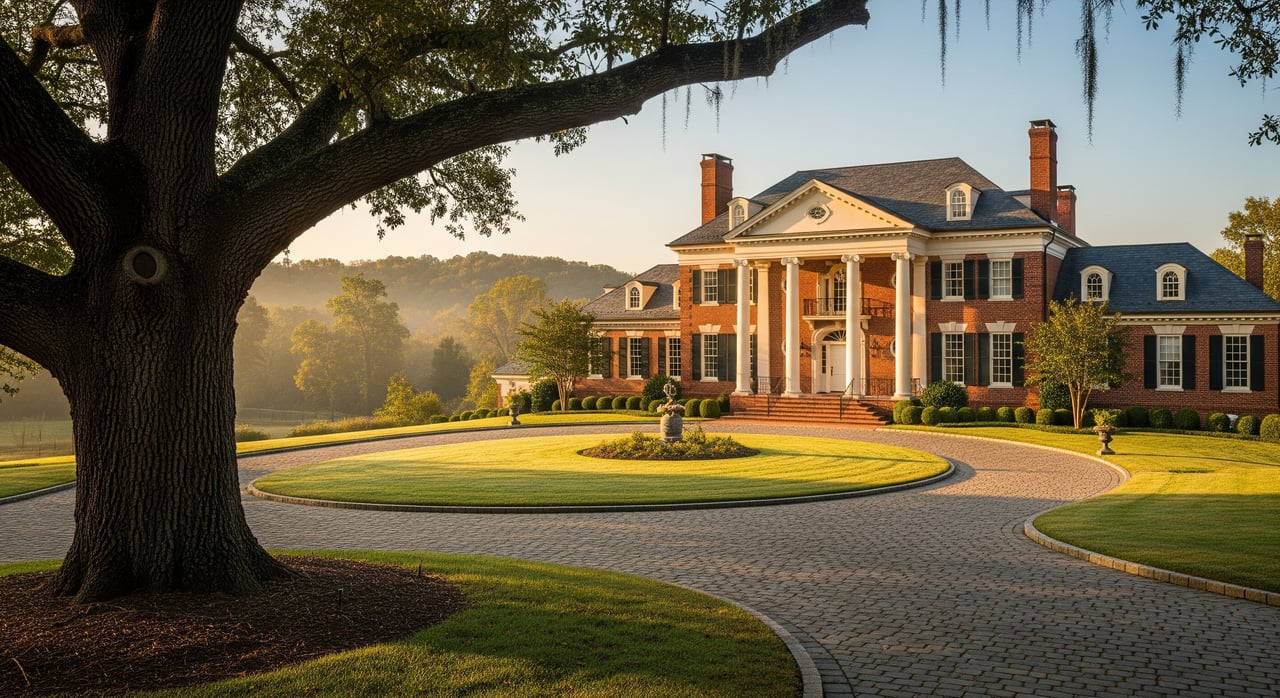
Forest Hills properties often feature long drives, mature trees, and outbuildings. Preparation should showcase privacy and possibility while reducing buyer uncertainty.
Systems and specialty inspections
Older estates may have legacy systems that need attention. A full review of roof, HVAC, electrical, and plumbing is wise, along with septic, well, and pest checks if applicable. If the home or outbuildings predate certain standards, discuss environmental reviews where appropriate.
Title, survey, and access clarity
On acreage, a fresh survey helps clarify boundaries and any recorded easements or encroachments. Buyers and appraisers will ask how the property is accessed and what rights are shared with neighbors. Addressing this early protects your timeline.
Repairs that protect value
Handle safety and structural items first, then high‑impact repairs that lift buyer confidence. Drainage fixes, driveway improvements, selective tree work, and exterior touch‑ups often deliver strong returns. Keep the drive and entry pristine for first impressions.
Cleanup and de‑personalizing
Estate cleanout is often the largest time investment. Set a schedule, designate a lead decision‑maker, and consider professional help for sorting, sales, and removal. Aim for calm, uncluttered rooms that show function and volume without feeling empty.
Staging and marketing that fit acreage
Your marketing should tell the story of a private compound, not just a house.
Outdoor first
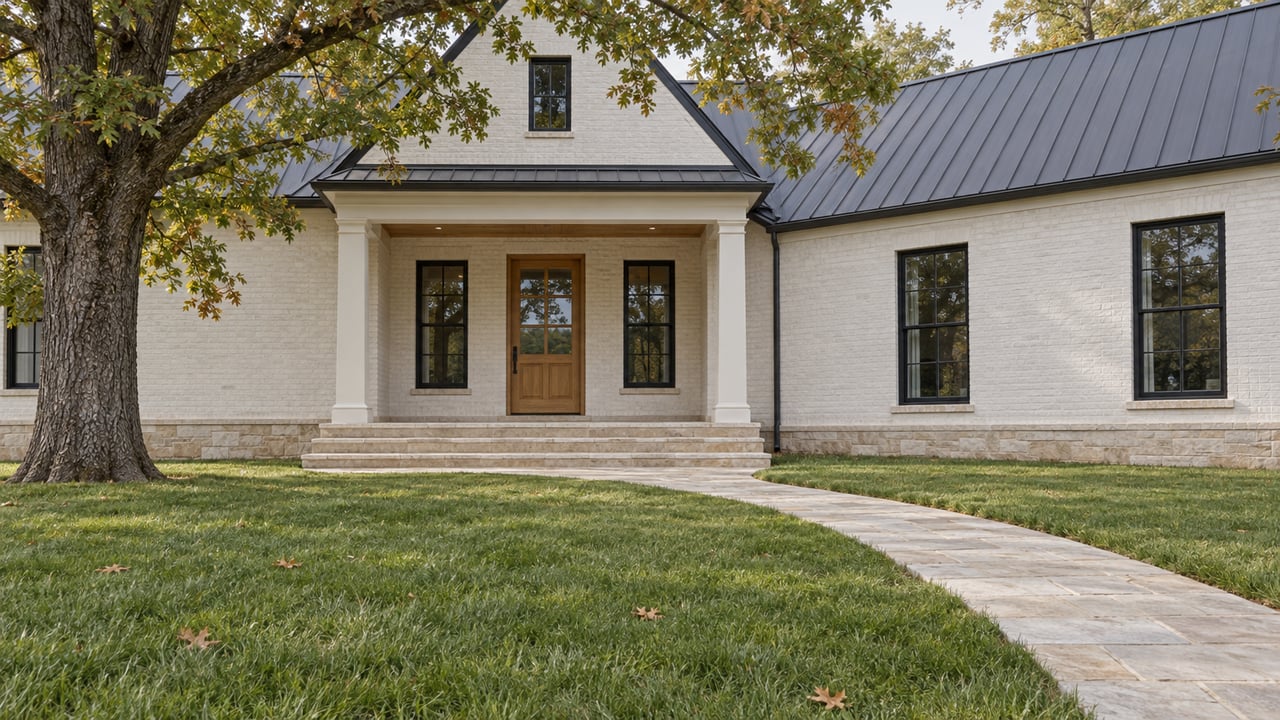
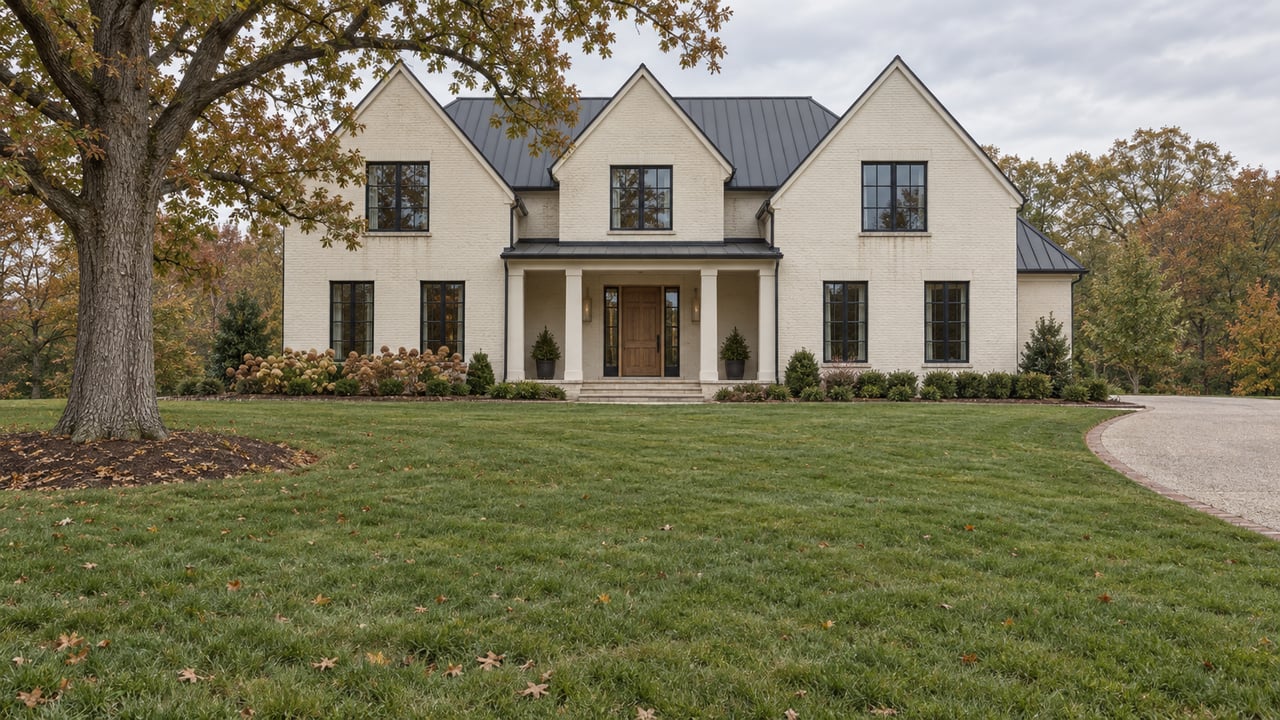
On acreage, curb appeal starts at the gate. Maintain the drive, open view corridors to the main residence, and highlight outdoor living, gardens, terraces, pool areas, and guest houses. Thoughtful lighting and simple styling can make evening photography compelling.
Premium media suite
High‑quality imagery is standard at this level. Include exterior, interior, and twilight photos, licensed drone work to reveal the setting, measured floor plans, and a 3D walk‑through for remote buyers. A dedicated property site can help control information and elevate presentation.
Strategic staging
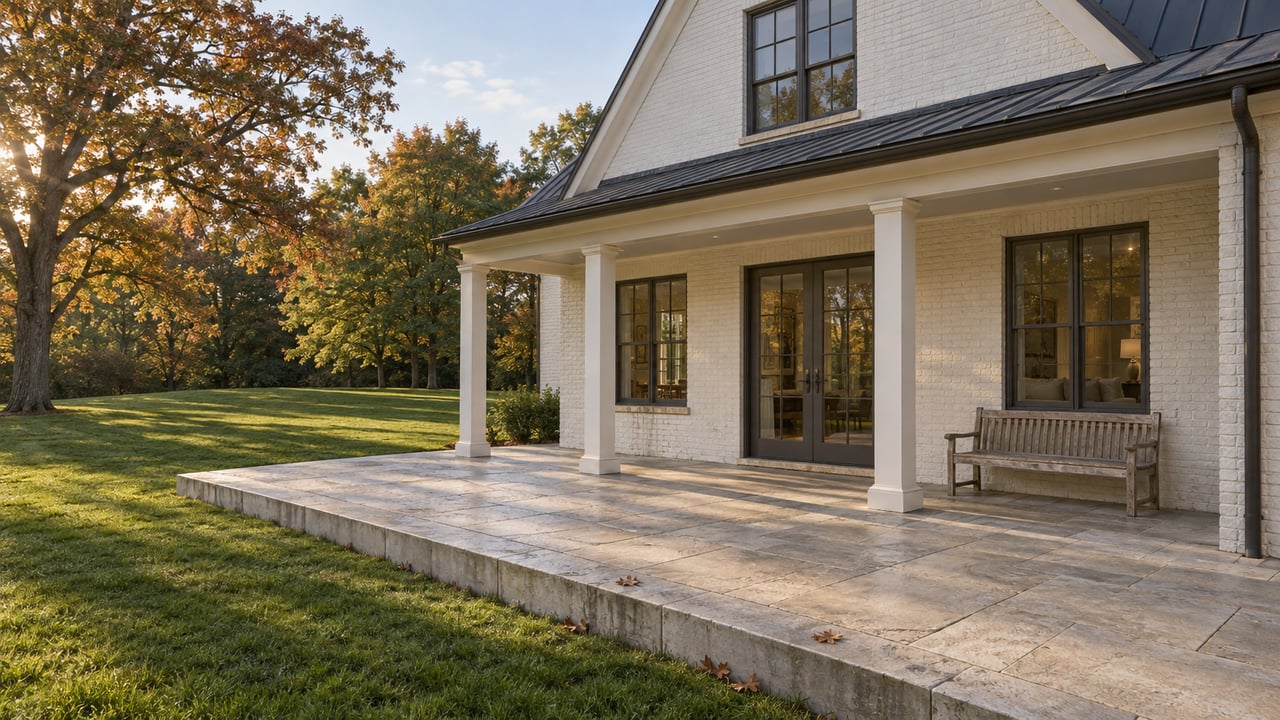
Stage key rooms to demonstrate use and scale: entry, study, dining, kitchen, main living, and the primary suite. Stage patios and porches with comfortable seating to invite lingering. For very large or historic interiors, use selective staging in core spaces and consider virtual staging for secondary rooms.
Pricing reality for unique estates
Price per square foot or per acre is a limited lens for singular properties. Expect appraiser and buyer scrutiny. Gather records, improvements, and any professional valuations to support your narrative and help the market understand the property’s position.
Protect privacy without sacrificing results
Discretion is often as important as price for Forest Hills sellers. You can control access while keeping momentum.
Screening and appointment‑only showings
Require agent credentialing and buyer verification before granting access. Use agent‑accompanied, scheduled showings rather than broad open houses. Private broker previews can reach serious buyers without drawing unnecessary attention.
Controlled online exposure
Feature the property’s strengths while limiting sensitive details. Prioritize exteriors and lifestyle spaces, and be thoughtful with children’s rooms or secure areas. Consider general‑location marketing at first release if privacy is paramount.
On‑site protocols
Keep signed showing logs and require visitor identification. If the property warrants it, arrange an on‑site concierge or security presence during showings. Remove or secure valuables well before launch.
Neighbor and access coordination
Notify immediate neighbors about showing days and routing to reduce confusion. If the estate has multiple gates or trails, designate a single guest entrance and keep others locked.
Legal and municipal checks that affect timing
Administrative steps often determine when you can list. Sorting these early prevents last‑minute delays.
Probate and selling authority
If an estate is involved, confirm the timeline for probate and the executor’s authority to sell. Obtain any powers of attorney or co‑owner consents needed before you begin marketing.
Easements and restrictions
Identify any conservation easements, timber rights, or covenants that affect use and future improvements. Buyers will ask for clarity here, and clear disclosure builds trust.
Septic, well, and utilities
Older or private systems require records and inspections. Gather maintenance histories and be ready to coordinate third‑party evaluations.
Historic status and permits
If the residence is historic or if you plan improvements, check local requirements for alterations and permitting. If you are considering subdividing acreage, investigate zoning, utilities, and approval timelines early.
Taxes and closing norms
Discuss potential tax implications with your advisor. Plan for standard local proration practices and build a closing timeline that aligns with your financial goals.
Quiet sale or full market? Choose your path
You have options to balance privacy and price. A quiet or pocket offering can limit exposure and protect lifestyle, but it narrows the buyer pool. Full‑market exposure broadens reach and feedback. Many sellers choose a hybrid strategy that begins with targeted outreach to vetted agents and known buyers, then expands if needed.
Signs you are ready to list
Use this quick gut check before you go live:
- Legal authority to sell is confirmed and documented.
- Survey, title review, and key inspections are complete or scheduled.
- Safety, systems, and high‑impact repairs are finished.
- Cleanout and staging are complete in primary spaces.
- Photography, floor plans, and marketing assets are ready.
- A clear showing protocol and security plan are in place.
Next steps
The best timeline is the one that protects your goals, your privacy, and your property’s story. If you would like a confidential roadmap tailored to your estate, reach out for a private conversation with Jamie Parsons. Together, you can plan the right season, sequence the right steps, and launch with confidence.
FAQs
When should I list a Forest Hills estate for the best price?
- Spring and early fall are the strongest windows for demand, but a well‑planned off‑season launch can work if privacy, probate, or repairs affect timing.
How far in advance should I start preparing a legacy estate?
- Plan for 6–12 months, with more time if probate, major repairs, surveys, or subdivision questions are involved.
What inspections matter most for large acreage properties?
- Whole‑house systems, septic and well where applicable, pest, and a boundary or ALTA survey. Consider environmental checks for older structures or special site features.
Can I sell quietly without public exposure?
- Yes. Appointment‑only and off‑market strategies can protect privacy. A hybrid approach that targets vetted buyers and top agents often balances reach and discretion.
How should family members coordinate showings and decisions?
- Choose a single representative with documented authority. Set a clear showing schedule and a single point of contact to reduce delays and confusion.
What marketing media are essential for an estate in Forest Hills?
- Professional photography, licensed drone imagery, twilight shots, floor plans, and a virtual tour. A dedicated property site can help present details discreetly and clearly.