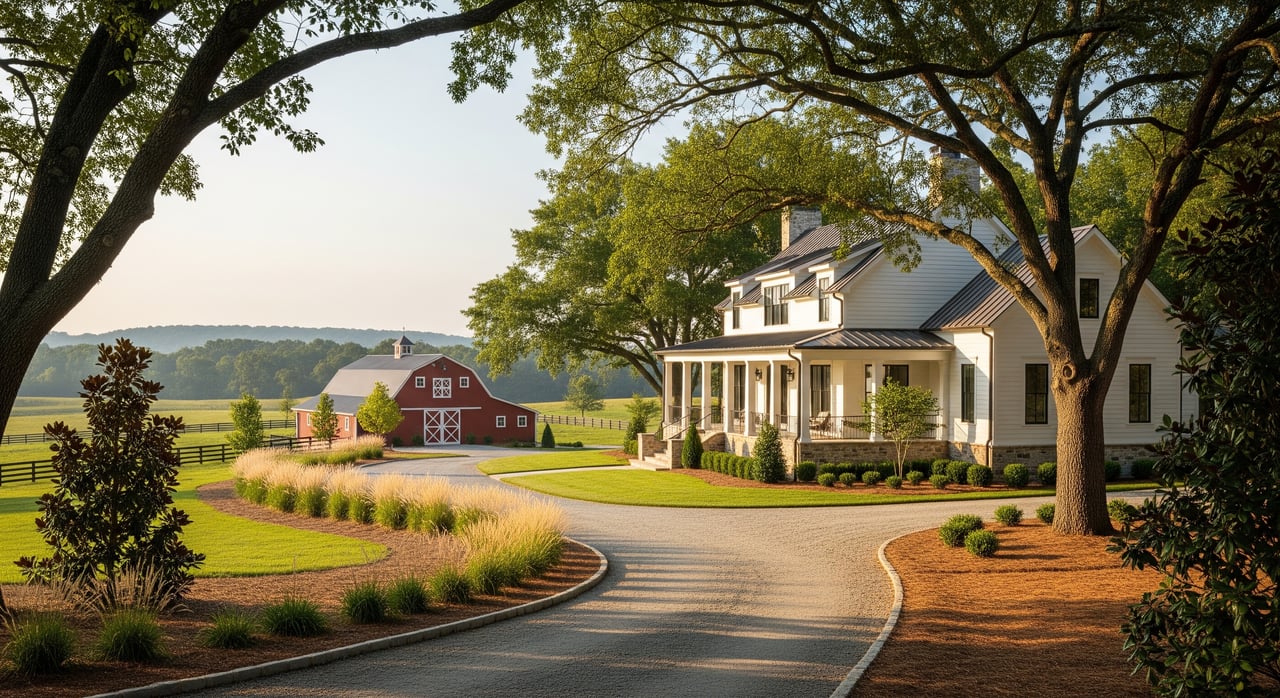
Picture morning light on open pasture, a quiet lane leading to your gate, and the option to be on Franklin’s Main Street in minutes. If you’re weighing a move for more space, privacy, and a lifestyle that blends outdoor living with city access, you’re not alone. In this guide, you’ll see what daily life on a Franklin country estate really looks like, plus the practical details that help you plan with confidence. Let’s dive in.
What a Franklin country estate is
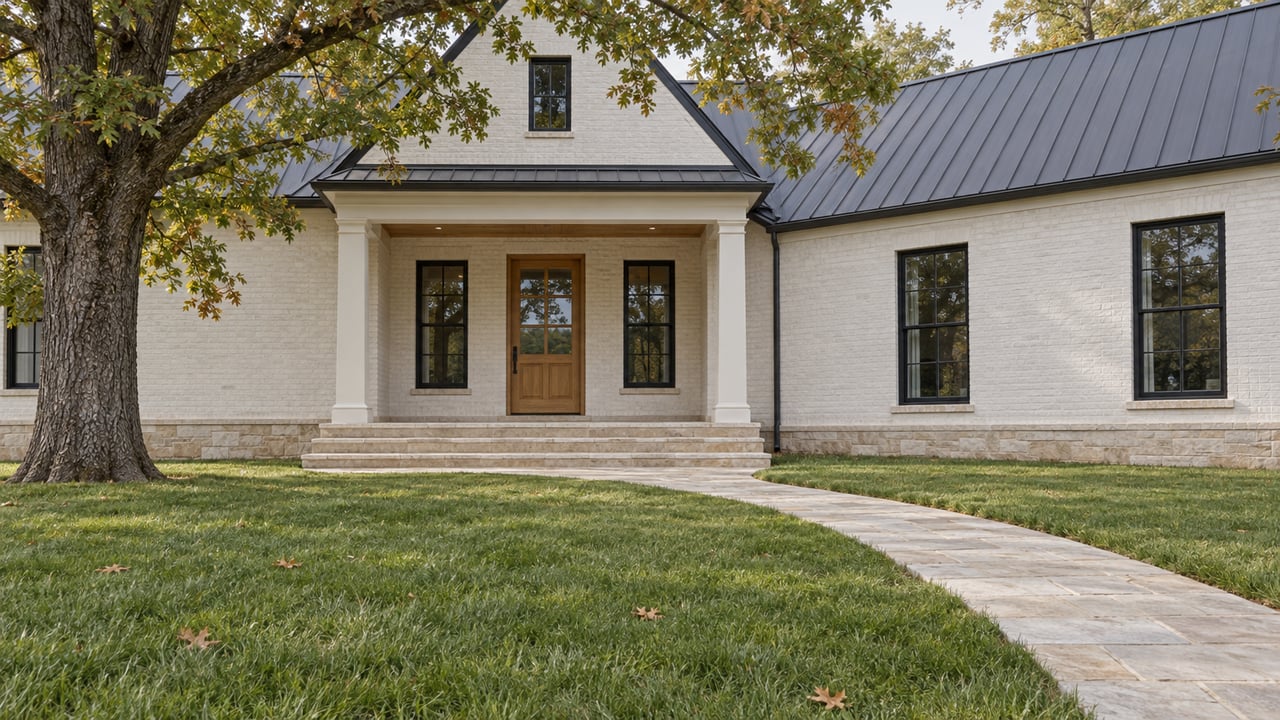
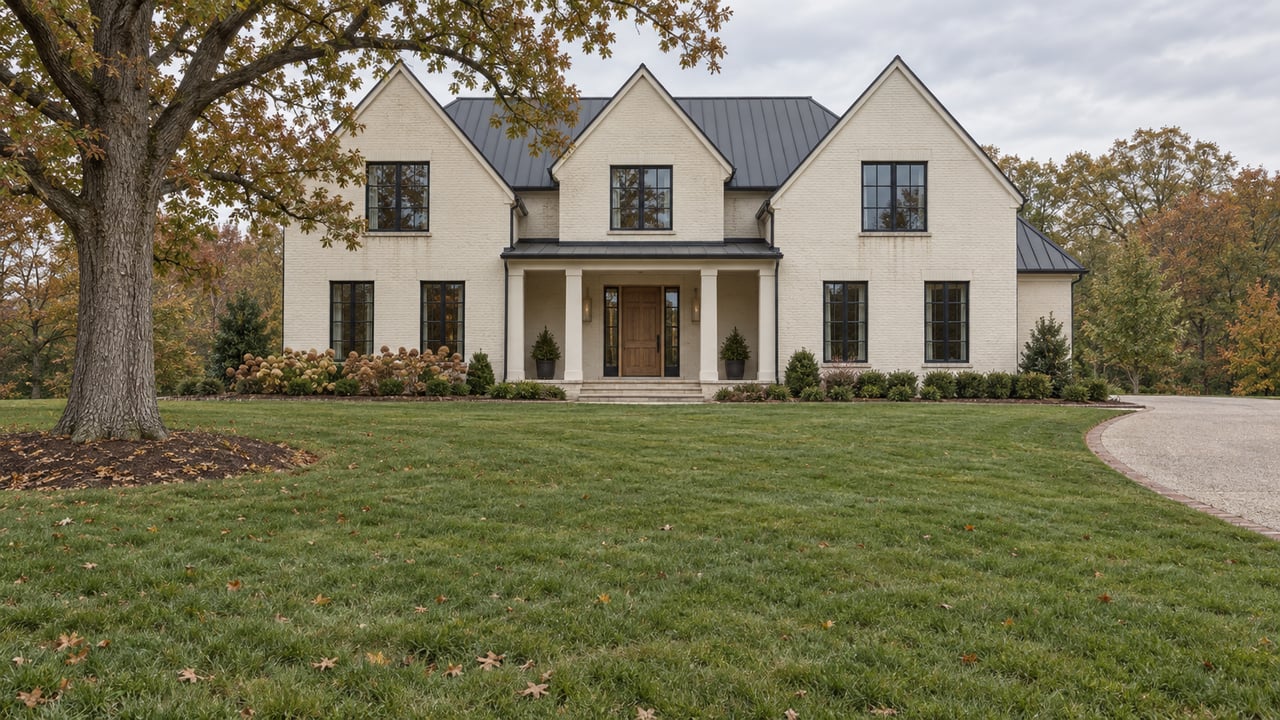
A Franklin country estate is typically a single-family residence on multiple acres, often 2 to 50 plus. You’ll see everything from renovated historic farms to custom builds and purpose-designed equestrian properties. Common features include barns, paddocks and fencing, guest or carriage houses, mature trees, private drives, and indoor-outdoor spaces designed for entertaining.
These parcels sit on the suburban-rural edge, which means land with scale is limited and commands a premium relative to smaller suburban lots. Many buyers relocate from out of state for the mix of acreage, lifestyle amenities, and proximity to Nashville.
A day on your estate
Mornings with space and purpose
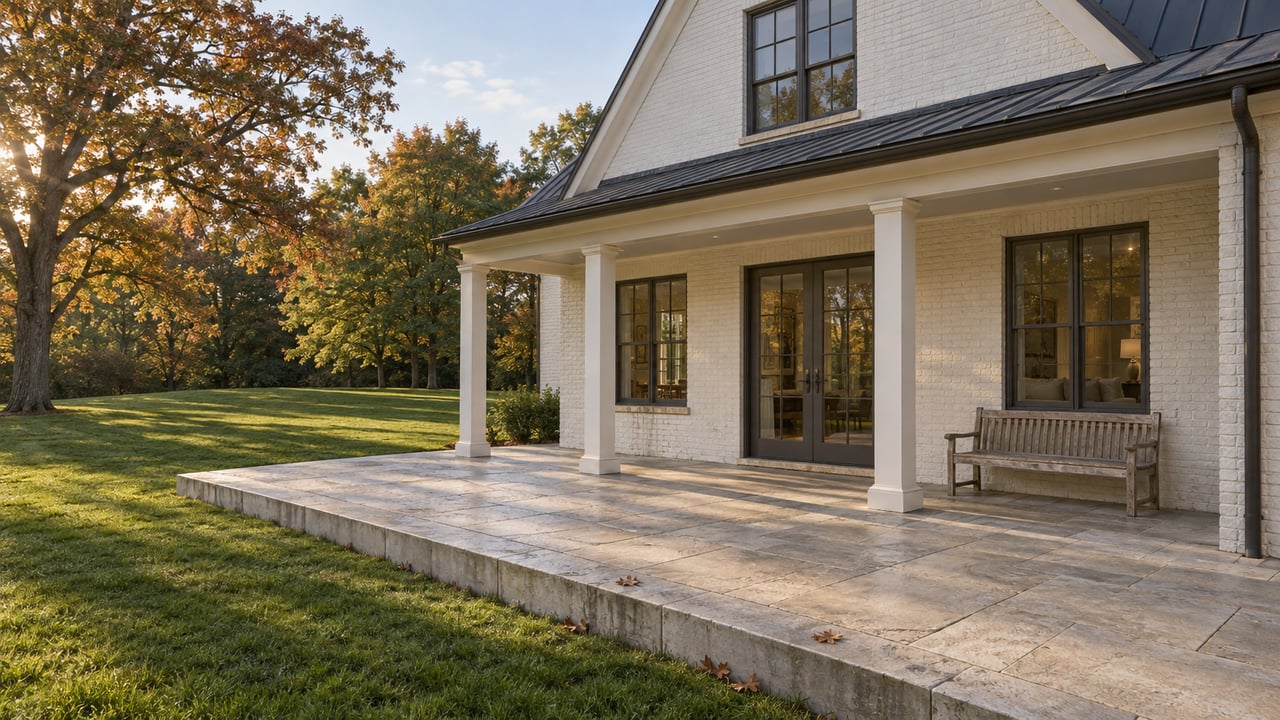
If you keep animals, days often start early with feeding, turnout, and a quick check of fences, pastures, and water. Gardeners harvest vegetables, herbs, or cut flowers before the heat builds. Even without livestock, the quiet of morning makes time for a walk under mature trees and a slow coffee on the porch.
Midday work and access
Remote work is common, and the calm of an estate can make it easier to focus. Broadband and cell coverage can vary by parcel, so confirm service in advance if video calls and streaming are essential. If you commute, expect roughly 10 to 20 minutes to central Franklin. Nashville is about 20 to 35 miles away, typically 30 to 60 minutes depending on route and traffic.
Afternoons for horses, gardens, and upkeep
Afternoons often involve maintenance and planning. That might be mowing, meeting a fence contractor, scheduling a well or septic service, or heading to a riding lesson. Kids and teens in the area often join 4‑H programs, private riding, or community sports.
Evenings at home or Main Street
Evenings tend to be social. You can host friends on the patio and enjoy a farm-to-table dinner from your garden. Or you can make a quick drive into downtown Franklin for restaurants, boutiques, live music, and community events along the historic corridor.
Outdoor living and entertaining
Entertaining often centers outdoors. Some owners convert barns or outbuildings for gatherings, while others create garden rooms and pavilion-style lounges. For larger events, plan for practicalities like septic capacity, guest parking, and local noise rules. Neighbor proximity varies by acreage, so it helps to align your plans with your property’s layout and permitted uses.
Gardens and hobby livestock
Small-scale agriculture fits well here. Many owners keep chickens, a few goats, or beehives. Horses are a central hobby in the county, with training, boarding, veterinarians, and farriers readily available. Gardeners enjoy long growing seasons but should plan for soil and drainage management, irrigation in summer, and deer pressure.
If your vision includes commercial-scale agriculture or public events, factor in zoning and permitting. Hobby operations and personal use are not the same as commercial uses.
Seasons on the land
- Spring: planting, fencing repairs, and foal season for horse owners.
- Summer: irrigation, tick and mosquito control, and frequent mowing.
- Fall: harvest, fence work, and preparing paddocks and shelters for winter.
- Winter: less field work, but still crucial maintenance like winterizing pipes and water systems and clearing ice during rare cold snaps.
Where you will go most
Downtown Franklin and culture
Historic Main Street offers restaurants, cafes, galleries, and local shops. The area hosts regular festivals and live music, along with historic sites and museums that anchor Franklin’s identity.
Parks and equestrian resources
You’ll find public parks and venues that support equestrian activity, plus private trainers and riding facilities throughout the county and nearby rural communities. Trail access and events help keep horses and riders active year-round.
Everyday services and providers
Most errands are within a 10 to 25 minute drive, including grocery stores, CoolSprings retail, and medical clinics. Estate owners also rely on a specialized network: veterinarians, farriers, feed and tack suppliers, hay delivery, well and septic pros, fence contractors, landscapers with pasture expertise, and wildlife and tick control.
Commutes, schools, and healthcare access
Many residents commute to Nashville or to employment centers in Franklin and Brentwood. Healthcare is close at hand with a regional medical center in Franklin and convenient access to major hospitals in Nashville. Public schools in Franklin are served by the county district, and there are private school options nearby. Always confirm attendance zones and options directly with the appropriate institutions.
Practicalities to plan for
Zoning and permitted uses
Parcel-specific zoning determines what you can build, how many and what type of animals you can keep, and whether you can host certain activities. Rules differ inside the City of Franklin and in unincorporated Williamson County. Confirm all details with the proper planning department for your parcel.
Utilities checklist
- Water: many estates use private wells. Test for quality and capacity.
- Wastewater: septic systems are typical. Capacity affects bedroom count and guest use.
- Power: rural connections may involve electric cooperatives and longer service runs.
- Broadband and cell: availability can be uneven. Verify service and speeds before you commit.
Building, permits, and events
New barns, additions, grading, and driveway cuts generally require permits and inspections. Short-term rentals or large public-facing events can trigger rules related to parking, septic, and noise, and may be limited by covenants or local ordinances.
Taxes, insurance, and carrying costs
Property taxes reflect assessed value at county and, if applicable, city levels. Rural estates may have higher insurance needs to cover detached structures, barns, and any livestock. Regular costs include mowing and groundskeeping, fence and barn repairs, septic pumping, well service, pest control, occasional snow or ice treatment, and contractor access for heavy work.
Conservation, safety, and staffing
Some owners explore conservation easements or agricultural use valuation to steward land and manage taxes. On wooded properties, Firewise practices and adequate water sources for firefighting are important. Many estates run smoothly with a core team that can include a grounds crew, handyman, barn manager, and seasonal help for hay and irrigation.
A focused due diligence checklist
Use this list to move forward with clarity:
- Confirm parcel zoning, setbacks, and permitted uses with the relevant planning department.
- Verify broadband and cell coverage with providers and official maps, and test on site.
- Order a licensed septic inspection and obtain well testing and service records.
- Drive your commute routes during peak hours to confirm real travel times.
- Review recorded covenants, easements, and any HOA rules for limits on animals, rentals, or events.
- Price out annual operating costs with local contractors, insurers, and the county assessor.
- Consult agricultural and equine specialists for pasture, barn design, and supplier networks.
Is a Franklin estate right for you?
If you want privacy, land, and an outdoor-forward lifestyle within reach of a lively historic town and Nashville’s opportunities, a Franklin country estate offers a compelling balance. Daily life brings room to breathe, space to gather, and a close connection to the land. With thoughtful planning on utilities, zoning, and operating costs, you can step into the lifestyle with confidence.
Ready to explore properties or align your goals with the right parcel and improvements? Start a conversation with Jamie Parsons for a confidential, concierge-level approach tailored to large-acreage estates and equestrian properties.
FAQs
Can you keep horses or livestock on a Franklin estate?
- It depends on parcel zoning and any recorded covenants. Verify permitted uses and make sure water access and pasture conditions suit your plans.
How reliable is rural internet near Franklin for remote work?
- Availability is uneven across rural parcels. Confirm providers and official coverage maps, then test speeds on site before you buy.
What are typical commute times from a Franklin-area estate?
- Many locations are about 10 to 20 minutes to downtown Franklin and roughly 30 to 60 minutes to Nashville, depending on route and traffic.
What should you know about septic systems and wells?
- Septic capacity affects bedroom count and guest hosting. Wells should be tested for quality and yield. Hire licensed inspectors for both.
Are large events allowed on private estate properties?
- Rules vary. Public-facing or large events may require permits and compliance with parking, septic, and noise rules, and could be limited by covenants.
What ongoing costs should you expect each year?
- Budget for mowing and grounds care, fence and barn upkeep, septic pumping, well service, pest control, seasonal ice or snow treatment, insurance, and taxes.