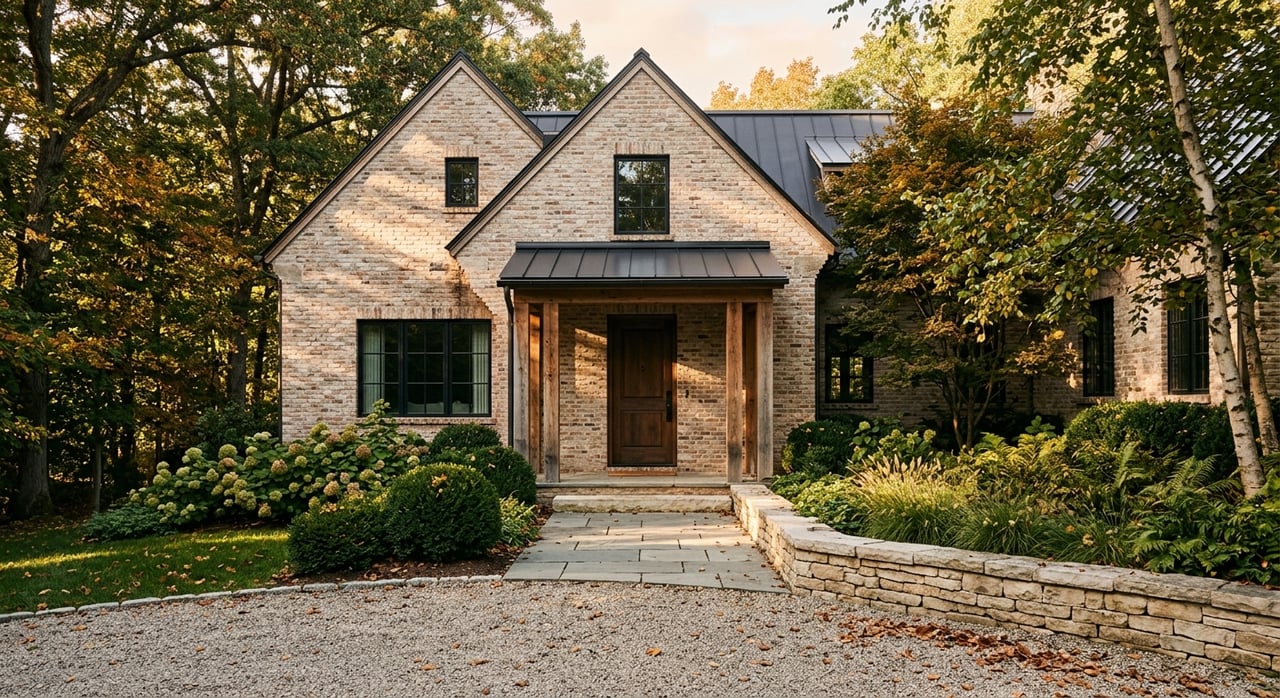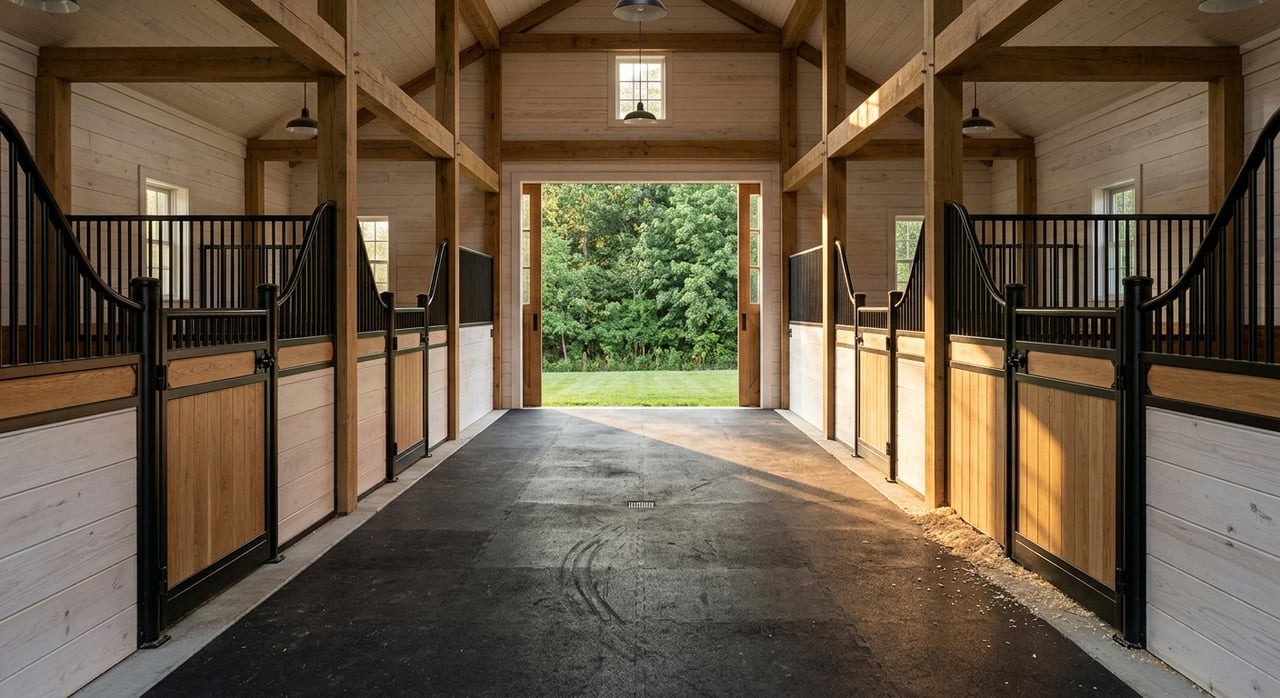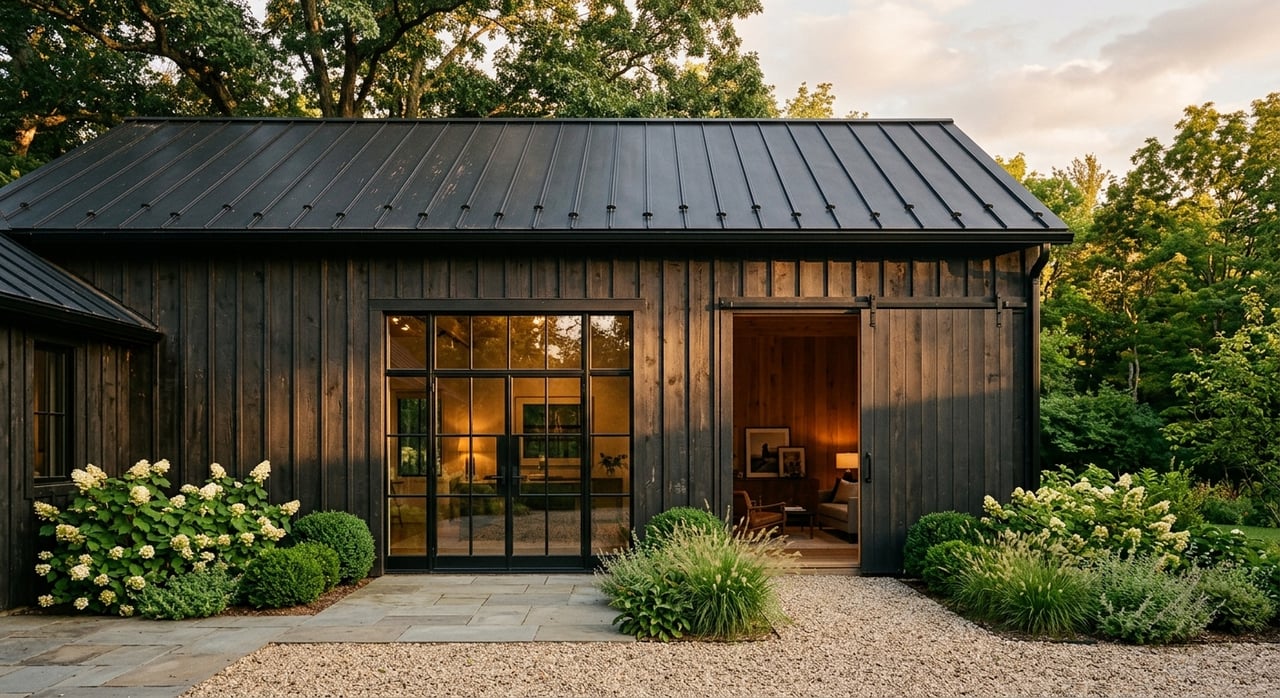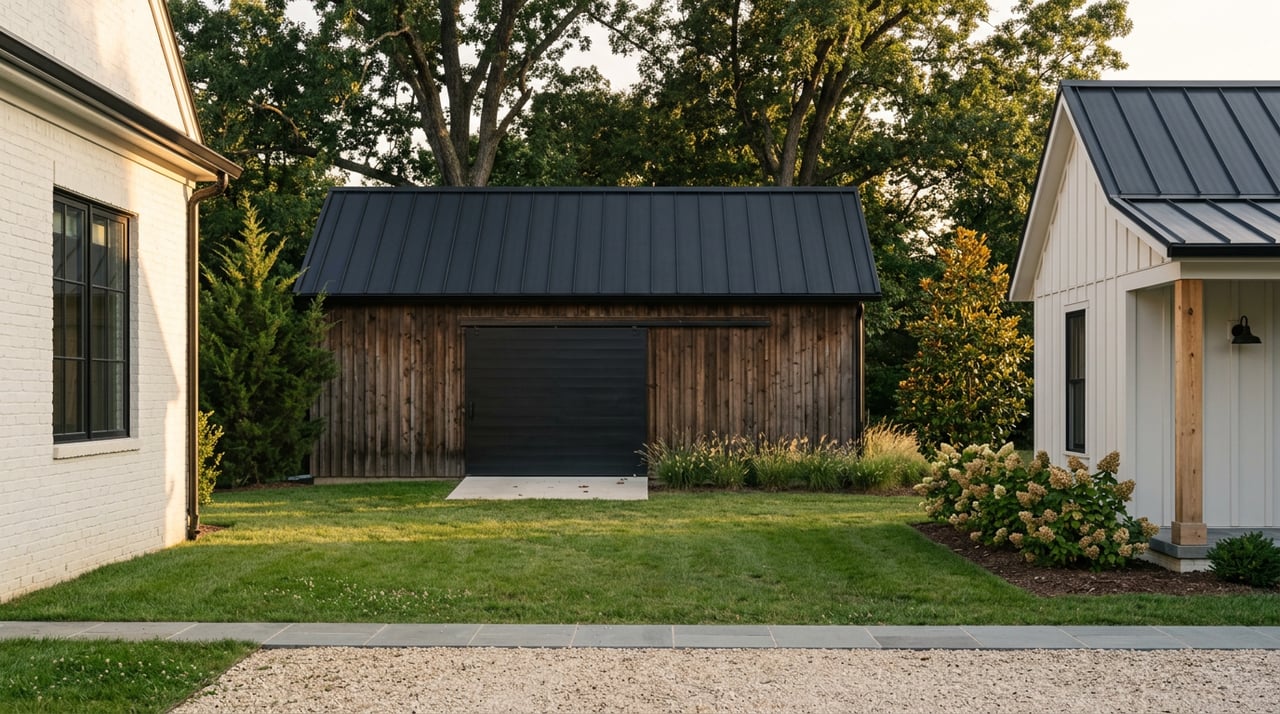
Have you been picturing a quiet, multi‑structure retreat on rolling acreage just south of Nashville? In Thompson’s Station, you can create a private compound that balances privacy with access to town comforts, but success starts with clear rules and careful planning. This guide gives you the essentials on zoning, ADU and guesthouse limits, wastewater, approvals, and the practical steps to take before you buy or build. You will leave with a roadmap tailored to larger estates in Thompson’s Station. Let’s dive in.
Why Thompson’s Station works
Thompson’s Station sits in Williamson County within easy reach of Franklin and Nashville. The area offers a rural feel with town services and major road access, which suits buyers seeking acreage, equestrian potential, and a slower pace near city life. The Town’s own vision highlights this balance of small‑town character and countryside setting in its comprehensive plan. You can review that context in the Town’s All Aboard Comprehensive Plan for a sense of place and growth priorities.
Start with the rulebook
Before sketching cottages and barns, anchor your plan in the Town’s Land Development Ordinance. The Town consolidated and updated its LDO in 2024–2025, and it is the primary source for zoning, permitted uses, and development procedures. Review the current Land Development Ordinance to confirm the base rules for your property.
Zoning districts and density basics
Thompson’s Station applies context‑based districts that range from rural countryside to town centers. T2 Rural Countryside is intended for estate and agricultural uses on larger tracts, while D1 through D3 allow progressively higher residential density. The LDO’s use tables and lot standards govern whether you can subdivide or must remain on a single lot. Always confirm your parcel’s zoning district on the current Zoning Map and check applicable lot widths, setbacks, and density in the LDO.
ADUs and guesthouses
Accessory dwelling units are allowed with limits. The LDO permits one ADU per lot, and it is capped at 900 square feet or half the size of the principal residence, whichever is less. Detached guesthouses are defined separately as accessory buildings that may include bathrooms but cannot include kitchens. These distinctions shape how you program a compound and whether additional approvals are needed.
Wastewater is the gatekeeper
Wastewater often determines what is feasible on acreage. Where public sewer is accessible, connection is required. Where it is not, onsite systems must be reviewed and permitted by Williamson County’s Department of Sewage Disposal Management. The Town operates two wastewater plants, and not all areas are served, so available capacity and tap allocation should be verified early. Start with the Town’s wastewater projects page to understand service areas and capacity processes, and coordinate with Williamson County Sewage Disposal Management on septic options if sewer is unavailable.
Multiple residences and approvals
If you plan more than one independent residence with full kitchens, base zoning may not allow it on a single lot. You will likely need to subdivide into multiple legal lots that meet minimum standards, or pursue a Planned Development Plan. The PDP process is Thompson’s Station’s mechanism to establish a custom entitlement package when you need tailored standards or a negotiated site plan. Details and steps are set out in the LDO.
Short‑term rentals on compounds
If you plan to rent a guest unit short‑term, the Town requires a Short‑Term Rental Permit. Expect to provide a fire inspection, a business license, proof of minimum liability insurance, and to meet tax obligations. You can review submittal requirements in the Town’s STRP permit application.
Due diligence before you buy
Run these checks at the front end, ideally during your feasibility period. Each item can affect whether your compound vision is buildable as planned.
- Confirm town limits and zoning. A Thompson’s Station mailing address does not always mean you are inside the town boundary. Contact Community Development to confirm jurisdiction and base zoning.
- Verify use permissions and standards. Review the LDO use tables and lot standards to confirm setbacks, widths, coverage, and whether any existing PDP or specific plan governs your parcel.
- Title and easements. Order a title search to surface recorded plats, access and utility easements, conservation easements, or Purchase of Development Rights instruments that may limit subdivision.
- Utilities and capacity. Confirm domestic water service with the HB&TS Utility District and clarify meter sizes and any connection fees. Most critically, confirm available public sewer taps or capacity with the Town. If sewer is not available, commission soils testing and coordinate with Williamson County Sewage Disposal Management for septic feasibility.
- Soils and hydrology. Complete high‑intensity soil mapping and percolation tests. The LDO requires dedicated areas for dripfields and backup fields where onsite treatment is used.
- Topography and canopy. Map slopes and significant trees. Slopes over certain thresholds can trigger additional review, and the Town has tree protection and canopy retention standards that affect layout.
- Floodplain and wetlands. Run FEMA flood maps and commission a stream and wetland delineation that meets TDEC standards. The LDO sets stream buffers and discourages wetland modification.
- Access and fire. Confirm driveway spacing, turnaround geometry, and fire apparatus access with the Town Engineer and Fire Marshal. Rural estates still must meet fire and life‑safety expectations.
- Historic resources. Identify any historic features or overlays that may influence design or approvals.
- Short‑term rentals. If rentals are part of the plan, review the Town’s STRP requirements in advance.
Program models that work
There is more than one way to create a welcoming compound. Your wastewater strategy and zoning will guide which path is best.
Model A: One lot, guesthouses only
Keep a single parcel with a primary residence plus detached guesthouses that do not include kitchens. This is the least complicated entitlement path because guesthouses are accessory buildings, but you still need to meet setbacks and coverage and secure building permits. It works well for overflow lodging, studios, or staff quarters that do not function as separate dwelling units.
Model B: One ADU plus guesthouses
Use the single permitted ADU for a full secondary unit with a kitchen, capped by the LDO’s ADU size limit. Then add detached guesthouses without kitchens for additional sleeping, office, or studio space. This approach preserves one true second dwelling while keeping other cottages as accessory structures.
Model C: Multiple full residences
If your vision includes several independent homes, plan to subdivide into multiple legal lots that meet base standards, or pursue a Planned Development Plan. A PDP lets you propose a coordinated site plan with negotiated standards, utilities, and open space, subject to public review and approval. This adds time and process but can unlock a custom compound layout.
Model D: Shared onsite wastewater on one parcel
On very large tracts, an engineered onsite wastewater treatment and irrigation system can serve multiple homes on one parcel. The LDO allows onsite treatment plants under defined conditions and sets a minimum plant capacity where used. This path requires intensive design and long‑term operations planning, and in some cases may require special approvals depending on zoning.
Equestrian and agricultural uses
Agricultural uses are generally treated differently from residential development, and some aspects are exempt from parts of the LDO. Barns and other structures still require building permits, and your overall plan must respect setbacks, buffers, and life‑safety rules. The LDO also references conservation tools such as Purchase of Development Rights that can influence lot sizing on generational farms.
Site planning essentials
Thoughtful layout preserves privacy and makes operations smoother. Consider these principles as you program the land.
- Stack functions. Group guest cottages near amenities like a pool or pavilion to simplify utilities and concentrate dripfields or sewer laterals. Keep service yards, mechanicals, and staff areas discreet and efficient.
- Use buffers well. Apply the LDO’s buffer and tree protection standards to screen views, soften edges along public roads, and preserve canopy that anchors the landscape character.
- Route utilities early. Coordinate water pressure, meter sizing, and any developer fees with the HB&TS Utility District. If public sewer is not available, identify primary and backup septic or irrigation field areas before finalizing building locations.
- Plan for fire access. Thompson’s Station has adopted the 2021 International Codes and the 2018 NFPA 101 Life Safety Code, effective January 1, 2025. Work with the Fire Marshal early on access width, turnaround geometry, water supply, and alarms or egress for occupied accessory buildings.
Process and timeline
A well‑sequenced process saves time and money. Here is a typical path for assembling a private compound.
- Feasibility and pre‑application. Meet with Community Development to confirm zoning, sewer availability, and whether a PDP is needed. Expect 1 to 4 weeks to schedule and complete a pre‑app.
- Survey and title. Order a boundary and topographic survey and complete title and covenant review. Allow 2 to 6 weeks.
- Soils and perc testing. Commission high‑intensity soil mapping and percolation tests where onsite systems may be needed. Timing varies by season and consultant availability; plan for 2 to 8 weeks.
- Wastewater path. Either confirm available sewer taps with the Town and request any needed capacity reservation, or start preliminary design for onsite septic or an engineered treatment system. This step can take 6 to 16 weeks or more and often controls the schedule.
- Approvals. If you need multiple legal lots or a custom entitlement, prepare a Preliminary Plat or a Planned Development Plan and proceed through Planning Commission and BOMA per the LDO. For single‑lot compounds, prepare site plans and building permits. PDP or subdivision approvals often take 3 to 9 months or longer depending on complexity.
- Permits and build. Submit building permits, complete fire and life‑safety reviews, and coordinate utility connections. Complex custom estates can require months of review and staging before construction starts.
The right team for success
Compound projects benefit from an experienced bench. Assemble your team early so design and approvals move in step.
- Land use attorney for title, easements, and any conservation or PDR instruments.
- Civil engineer or land planner for site design, stormwater, and PDP or plat preparation.
- Septic designer or soil scientist and a point of contact at Williamson County Sewage Disposal Management for permitting.
- Residential architect with rural estates and accessory building experience.
- Landscape architect and arborist to guide tree protection, buffering, and arrival sequence.
- Licensed surveyor for boundary, topography, and staking of dripfields.
- Local builder versed in Williamson County permitting.
- Thompson’s Station Community Development and Wastewater staff for pre‑apps and capacity, and the HB&TS Utility District for water service.
A note on budgets and timing
Custom compounds require careful phasing, and wastewater often dictates scope and cost. If public sewer capacity is limited or unavailable, expect additional time for soils work and system design. Align programming with realistic approvals and infrastructure, and design in a way that preserves flexibility for future needs.
Next steps
If a private compound in Thompson’s Station is on your horizon, start with a feasibility conversation and a clear brief. Together we can align the vision, site constraints, and approvals into a buildable plan that protects your privacy and lifestyle goals. For discreet guidance and introductions to the right local consultants, request a Confidential Consultation with Jamie Parsons.
FAQs
What zoning allows a private compound in Thompson’s Station?
- T2 Rural Countryside often suits larger estates, while D1–D3 allow progressively higher residential density; confirm your parcel’s district and standards in the Town’s Land Development Ordinance and with Community Development.
How many guest cottages can you build on one lot?
- The LDO permits one ADU per lot with size limits, and defines detached guesthouses as accessory buildings without kitchens; program counts and placement must meet setbacks, coverage, and building code, so coordinate details with Planning Staff early.
What if my site has no public sewer service?
- You must pursue onsite wastewater solutions permitted by Williamson County Sewage Disposal Management, such as individual septic or an engineered treatment and irrigation system sized for the compound, and the Town’s wastewater and LDO standards will guide layouts and required dripfield areas.
Do I need a Planned Development Plan for multiple residences?
- If you want several independent homes with full kitchens, you will likely need to subdivide into multiple legal lots or pursue a Planned Development Plan to establish custom entitlements under the LDO.
Can I rent a guest unit short‑term on my compound?
- Short‑term rentals require a Town STRP permit that includes a fire inspection, business license, proof of minimum liability insurance, and compliance with tax obligations as outlined in the Town’s STRP application.
What building and fire codes apply to accessory units?
- Thompson’s Station adopted the 2021 International Codes and the 2018 NFPA 101 Life Safety Code effective January 1, 2025, so expect reviews for fire access, alarms, egress, and water supply for any inhabited accessory structures.
Who should I contact first to start feasibility?
- Begin with a pre‑application meeting with Community Development to confirm zoning and sewer status, and retain a civil engineer and septic designer to evaluate soils, wastewater capacity, and site layout in parallel.