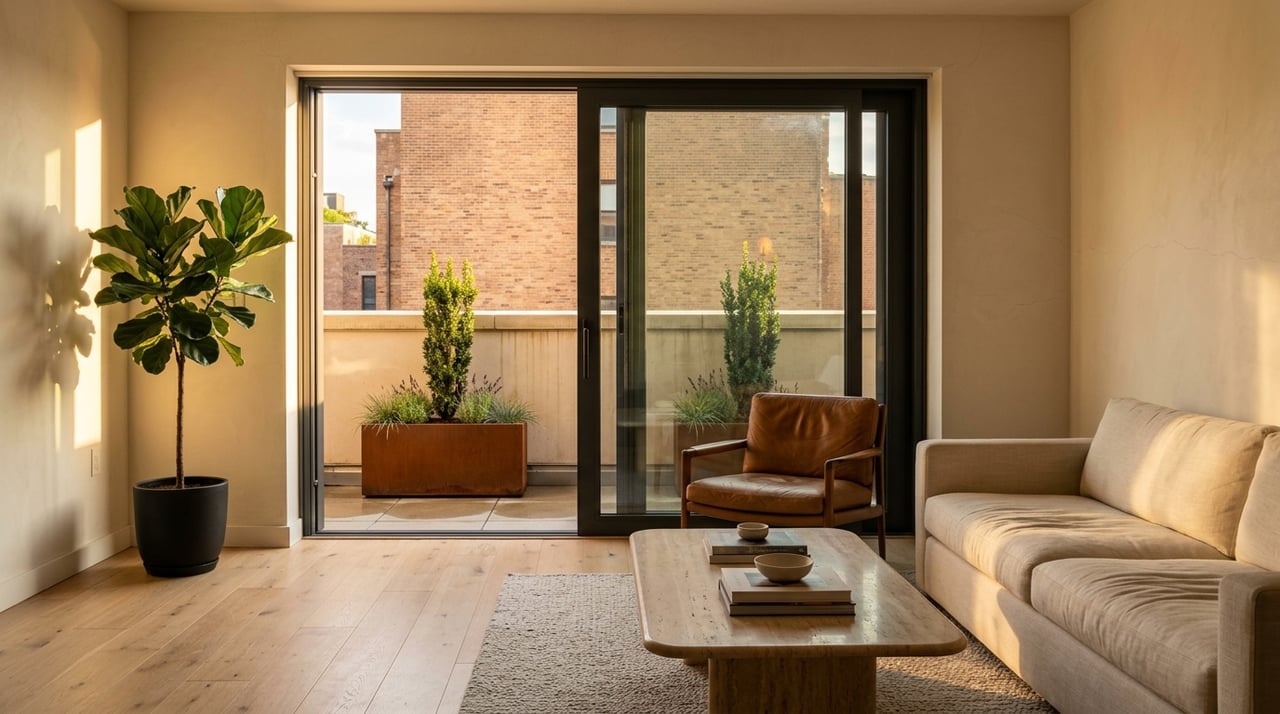
If you want the energy of downtown Nashville and the calm of open land, you do not have to choose just one. For many buyers, a condo in the city paired with a country retreat creates a lifestyle that feels both practical and deeply personal. You get easier access to work, dining, and events, while still keeping space, privacy, and a slower pace when you want to step away. Let’s look at how this two-home strategy works and what you should review before you buy.
Why This Strategy Fits Nashville
Nashville is one of the rare markets where an urban-and-rural pairing makes real sense. Downtown functions as a dense, amenity-rich hub, while nearby acreage in Williamson County offers a very different daily rhythm.
According to the Nashville Downtown Partnership, downtown includes more than 20,000 residents, 85,000 employees, 17 million visitors, and 600-plus bars, restaurants, and retailers. The same directory lists 71 residential options, which helps explain why a downtown condo can work well as a part-time home base.
The contrast becomes even clearer when you compare county data. The U.S. Census QuickFacts for Williamson County show a lower population density and a higher owner-occupied housing rate than Davidson County, which helps frame why many buyers see the country property as the place for acreage, privacy, and breathing room.
What a Downtown Condo Offers
A downtown condo can give you convenience that is hard to match in a larger rural property. If you travel often, divide your time between cities, or want easy access to meetings, concerts, dining, and cultural events, a condo can simplify daily life.
This setup is often described as lock-and-leave ownership. Under Tennessee condominium law, unless a declaration says otherwise, the homeowners association is generally responsible for common elements, while the unit owner is responsible for the unit itself. That structure can reduce the maintenance burden compared with a detached house.
In practice, many downtown buildings also layer on convenience features. For example, 1111 Church highlights parking, retail, large indoor and outdoor amenity areas, and 24-hour concierge service, which reflects the kind of support some buyers want from a part-time city residence.
Think Beyond the View
When you evaluate a downtown condo, the building matters as much as the unit. Monthly dues, reserve funding, assessment history, and building operations all affect the long-term ownership experience.
You should also review parking early. Even in a walkable location, vehicle storage can still require a separate plan. The city offers a Downtown Nashville Residential Parking Permit for eligible streets at an annual fee of $25, but eligibility depends on location and circumstances.
What a Country Retreat Adds
If the condo is about access, the retreat is about space and control over your environment. In Williamson County, that can mean room for horses, gardens, guest structures, equipment buildings, or simply a more private setting.
For many buyers, this side of the equation is not just about owning more land. It is about creating a lifestyle property that supports weekends, entertaining, long-term family use, or a future legacy asset. That is especially true in areas where buyers are looking for refined estates, farms, and multi-structure compounds.
But acreage comes with a different set of questions than condo ownership. Instead of HOA governance and building operations, you need to think about zoning, land use, taxes, and whether the property’s current setup supports your future plans.
Start With Zoning
In unincorporated areas, Williamson County zoning governs development standards such as land use, residential density, setbacks, open space, parking, landscaping, and review procedures. If you are considering a farm, estate, or long-term compound, zoning should be part of your earliest due diligence.
That matters because two properties with similar acreage can offer very different possibilities. One parcel may support your intended use with minimal changes, while another may require added review, limitations, or a different ownership strategy.
Understand Greenbelt Before You Buy Land
One of the most important concepts for acreage buyers in Williamson County is the Greenbelt program. This program can allow qualifying land to be taxed based on present use rather than market value, which may ease the property-tax burden.
Qualification depends on more than just owning land. Williamson County explains that agricultural parcels generally need at least 15 acres and actual agricultural activity, forest parcels generally need at least 15 acres plus a forestry plan, and open-space parcels generally need at least 3 acres.
You also need to understand the downside. If a property stops qualifying, a rollback assessment can recapture prior savings. That means Greenbelt should be treated as a property-specific tax status, not a blanket assumption tied to acreage alone.
Compare the Ongoing Costs Carefully
The appeal of a two-home setup is obvious, but the carrying costs need clear modeling. This is not one housing decision. It is two different ownership systems with two very different cost structures.
On the Davidson County side, the Nashville Trustee’s property tax information explains that residential and farm property are assessed at 25% of appraised value. It also lists Davidson County’s 2025 rates at $2.814 per $100 of assessed value in the Urban Services District and $2.782 in the General Services District.
On the Williamson County side, the 2025 property tax calculator shows a county-only rate of $1.30 per $100 of assessed value, while total rates vary by locality and tax district. The county notes examples such as Franklin/FSSD at $2.0633, Brentwood at $1.49, and Thompson’s Station at $1.403.
Where the Math Usually Changes
A downtown condo may include:
- HOA dues
- Possible special assessments
- Parking costs or permit needs
- Insurance considerations tied to condominium ownership
A country retreat may include:
- Higher land maintenance costs
- Different insurance needs
- Possible Greenbelt qualification or rollback exposure
- Zoning-related limits on future use
The right comparison is never condo versus acreage in the abstract. It is always this unit in this building versus this parcel in this tax district.
What the Current Condo Market Suggests
If you are trying to time the condo side of the purchase, current regional numbers offer useful context. The Greater Nashville Realtors March 2026 market release reported 385 condominium closings, a median condo price of $349,990, 13,694 active listings, and about 6 months of available inventory across the broader Greater Nashville market.
That is not downtown-only data, but it does suggest an active condo segment with meaningful inventory. For buyers, that can support a more measured decision-making process, especially if you are balancing the condo purchase against a second acquisition in Williamson County.
If You May Rent Either Property
Some buyers want flexibility to use one home personally and generate income from the other at certain times of year. If that is part of your plan, regulations matter early.
Metro Nashville states that anyone listing a property on short-term rental websites must first obtain a permit. According to the city’s short-term rental rules, permits are renewed annually, stays are limited to 30 consecutive days, and new not-owner-occupied permits are allowed only in specified zoning districts.
That means a rental strategy should never be assumed. Before you buy, confirm whether the property type, location, and intended use fit the current rules.
How to Decide if This Lifestyle Fits You
This two-home model tends to work best when your life already moves between two modes. You may need an efficient city base during busy workweeks, event seasons, or frequent travel, while also wanting a private retreat for weekends, entertaining, or a longer-term lifestyle shift.
It can also work well if you are relocating from a denser coastal market and want a gradual transition. A downtown condo keeps you connected to the city, while a Williamson County property gives you room to build the quieter experience that brought you to Middle Tennessee in the first place.
The key is to buy both homes intentionally. Your condo should make city life easier, and your retreat should support the land use, privacy, and long-term stewardship you actually want.
Build the Right Team Early
Because this is a two-system ownership decision, your due diligence should be equally tailored. Condo review centers on HOA documents, reserves, assessments, parking, and building operations. Country property review centers on zoning, tax district, Greenbelt status, access, and future use.
You should also confirm legal, tax, titling, and insurance questions with the appropriate professionals before closing, especially if you may change the use of either property later. That level of planning can help you avoid expensive surprises and make the two-home model feel seamless instead of complicated.
If you are exploring a downtown Nashville condo alongside a Williamson County retreat, working with an advisor who understands both convenience-driven city ownership and complex lifestyle properties can make the process much clearer. For a discreet, tailored approach, connect with Jamie Parsons to request a confidential consultation.
FAQs
What does a lock-and-leave condo mean in downtown Nashville?
- In general, it means a condo ownership style where the association handles common elements, which can reduce maintenance compared with a detached home, though you still need to review HOA dues, reserves, and building policies.
Can a Williamson County retreat qualify for Greenbelt tax treatment?
- Possibly, but the property must meet specific acreage and use requirements set by Williamson County, and eligibility depends on the parcel’s actual classification and ongoing use.
Are property taxes lower on a country home than a downtown condo?
- Not always. Taxes depend on assessed value, tax district, and the exact property, while condo ownership may also include HOA costs and acreage may involve different land-related expenses.
Can you short-term rent a downtown Nashville condo or country property?
- Possibly, but Metro Nashville requires a permit before listing on short-term rental sites, renews permits annually, limits stays to 30 consecutive days, and allows new not-owner-occupied permits only in certain zoning districts.
Is the Nashville condo market active right now?
- Regional data from Greater Nashville Realtors shows the condo segment remains active, with 385 condominium closings and about 6 months of inventory reported for March 2026.
What should you review first when buying acreage in Williamson County?
- Start with zoning, tax district, and Greenbelt eligibility, because those factors can directly affect how you use the land and what it costs to hold over time.