Have you ever driven Belle Meade Boulevard, glanced past the tree canopies, and wondered why everything feels so timeless? If you are drawn to quiet, classic design, the architecture here tells a clear story. In this guide, you will learn the styles that shaped Belle Meade, how to spot them on a home tour, and how landscape and local rules preserve the neighborhood’s “understated luxury.” Let’s dive in.
How Belle Meade’s look formed
Belle Meade’s roots begin with the Harding family’s plantation, where the original house shifted from Federal to a grand Greek Revival expression in the mid‑19th century. The mansion and grounds set a lasting classical tone for the area’s later development, and you can explore its architectural evolution at the Belle Meade Historic Site and in the SAH Archipedia entry.
The major residential transformation arrived between 1910 and 1930, when more than 200 homes were built. That building boom established the Neo‑classical, Colonial Revival, Georgian Revival, and Tudor Revival language that still defines the streetscape today, as outlined in the City’s Conservation Overlay Design Guidelines. After World War II, mid‑century ranches and later custom infill added new layers while keeping to a cohesive scale. Belle Meade sits roughly six miles southwest of downtown Nashville, and its planning history still shapes how homes relate to land and street.
Signature styles of Belle Meade
Greek Revival roots
Look to the plantation-era core to see the earliest influence. Expect temple-front porticoes with tall columns, pediments, and balanced five-bay facades. In Belle Meade, the mansion’s stone-columned portico and formal approach drives are part of the architectural composition, documented by SAH Archipedia.
Colonial and Georgian Revival
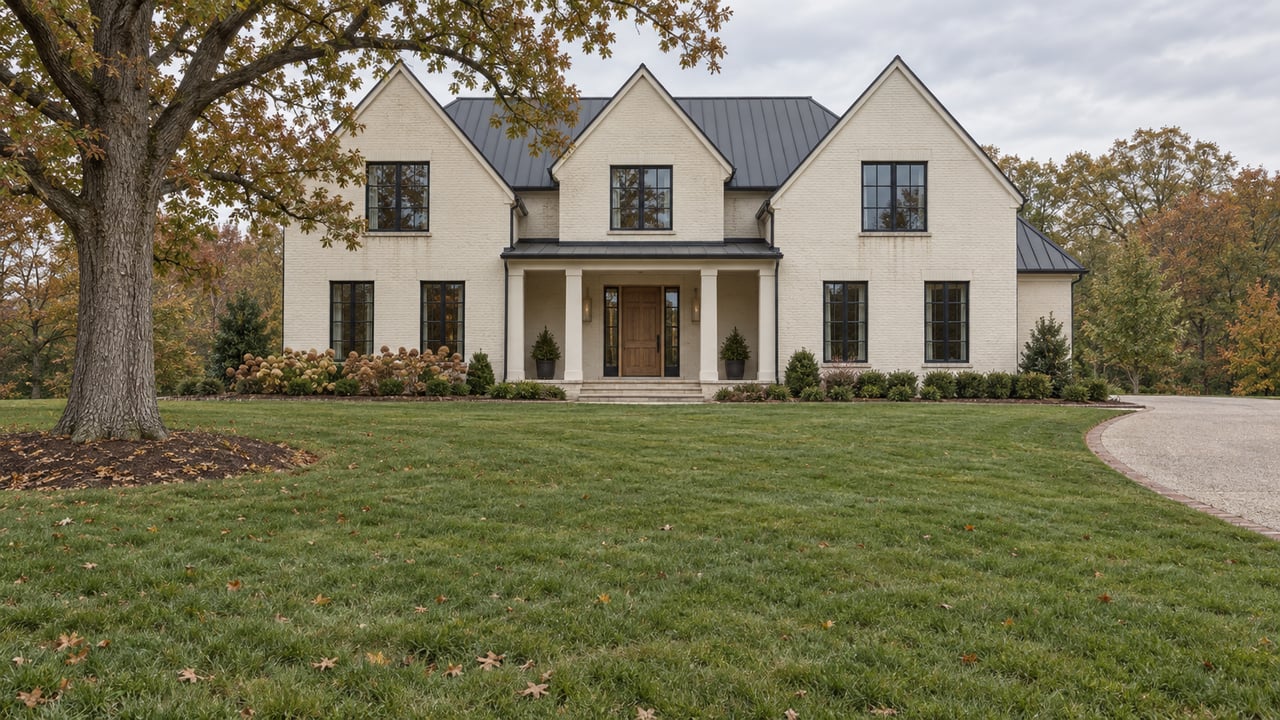
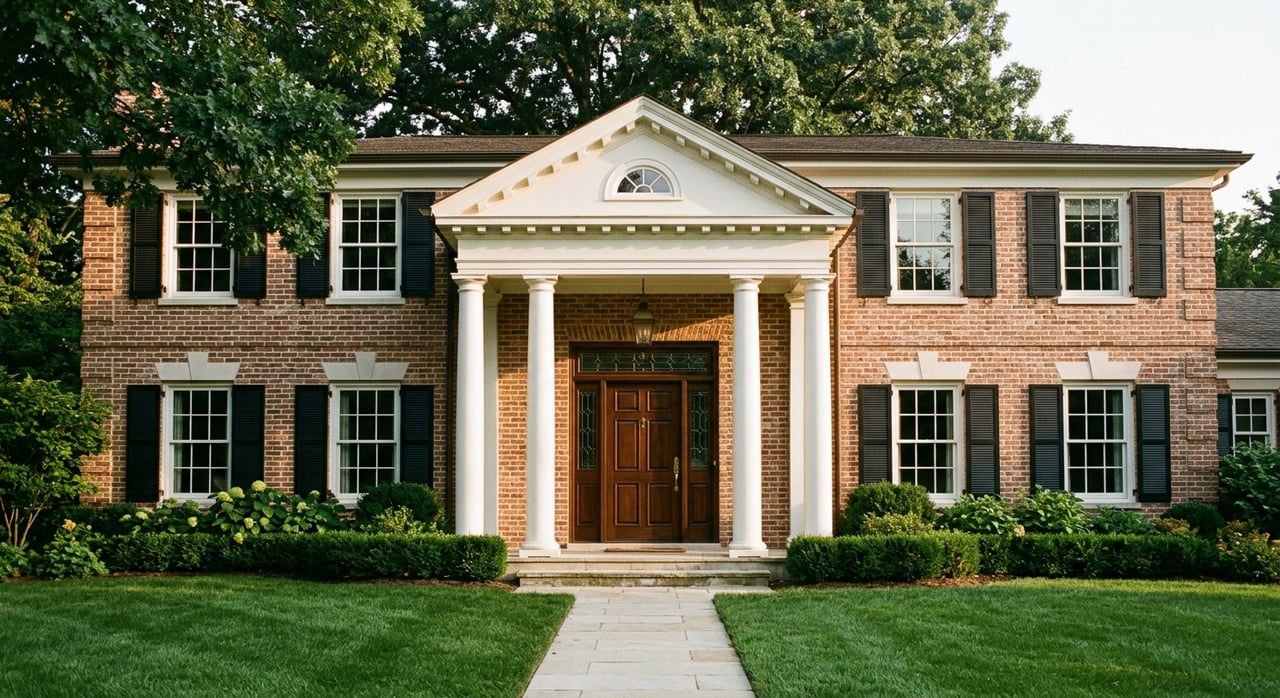
This is the dominant residential look from the 1910–1930 era and beyond. You will see symmetrical brick facades, hipped or side-gabled roofs, classically detailed entries with pediments or fanlights, and multi-pane double-hung windows with shutters. For a deeper primer on these telltale elements, the National Park Service’s overview of Colonial Revival architecture is a helpful reference. Locally, full-depth masonry, slate or dark shingles, and substantial wood trim are hallmarks encouraged by the City’s design guidelines.
Tudor Revival
Steep roofs, picturesque massing, decorative half-timbering with brick or stucco, and tall, prominent chimneys signal Tudor influence. Belle Meade has notable examples in both single-family homes and multi-unit buildings, and the Belle Meade Apartments and the Belle Meade Links area appear in Davidson County’s National Register listings. On large, landscaped lots, these homes read as English country estates.
Mid‑century Ranch
You will find pockets of 1950s–1960s ranch houses that add variety to the streetscape. They sit low to the ground with horizontal massing and relaxed indoor‑outdoor flow. Some have been sensitively renovated or replaced; in each case, the City’s review process seeks compatibility with neighboring scale and materials per the guidelines.
Refined contemporary custom
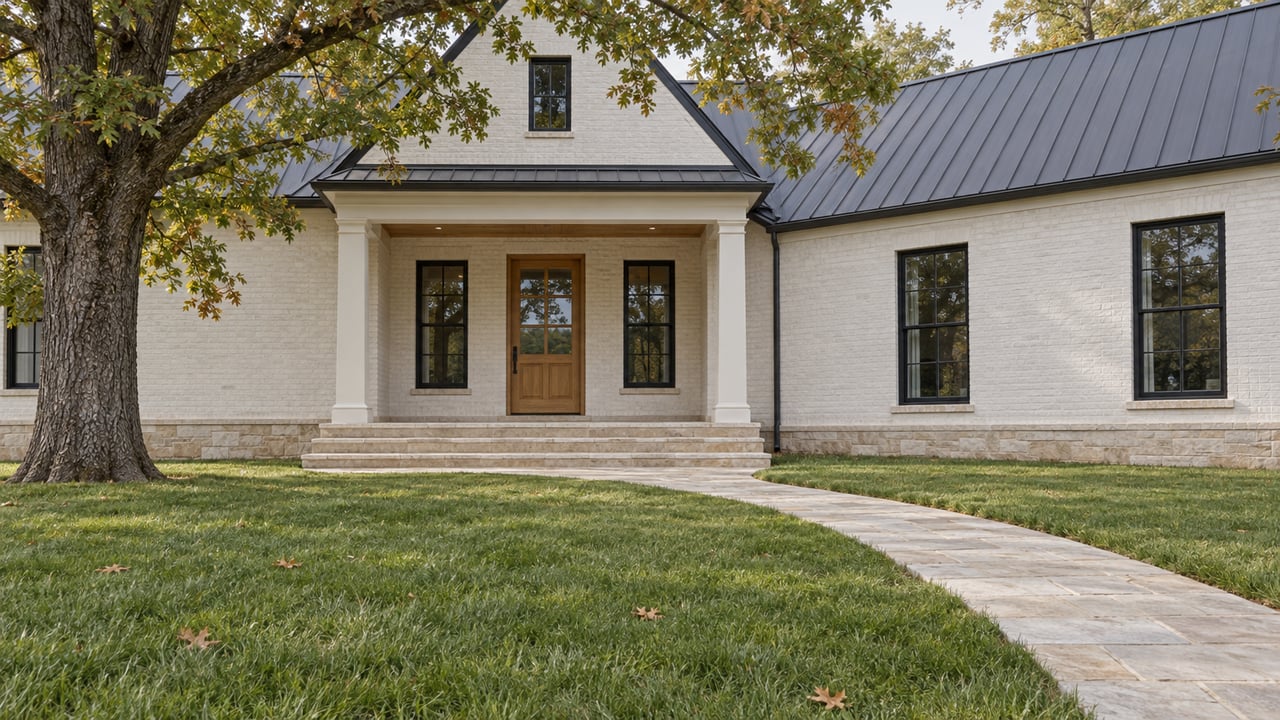
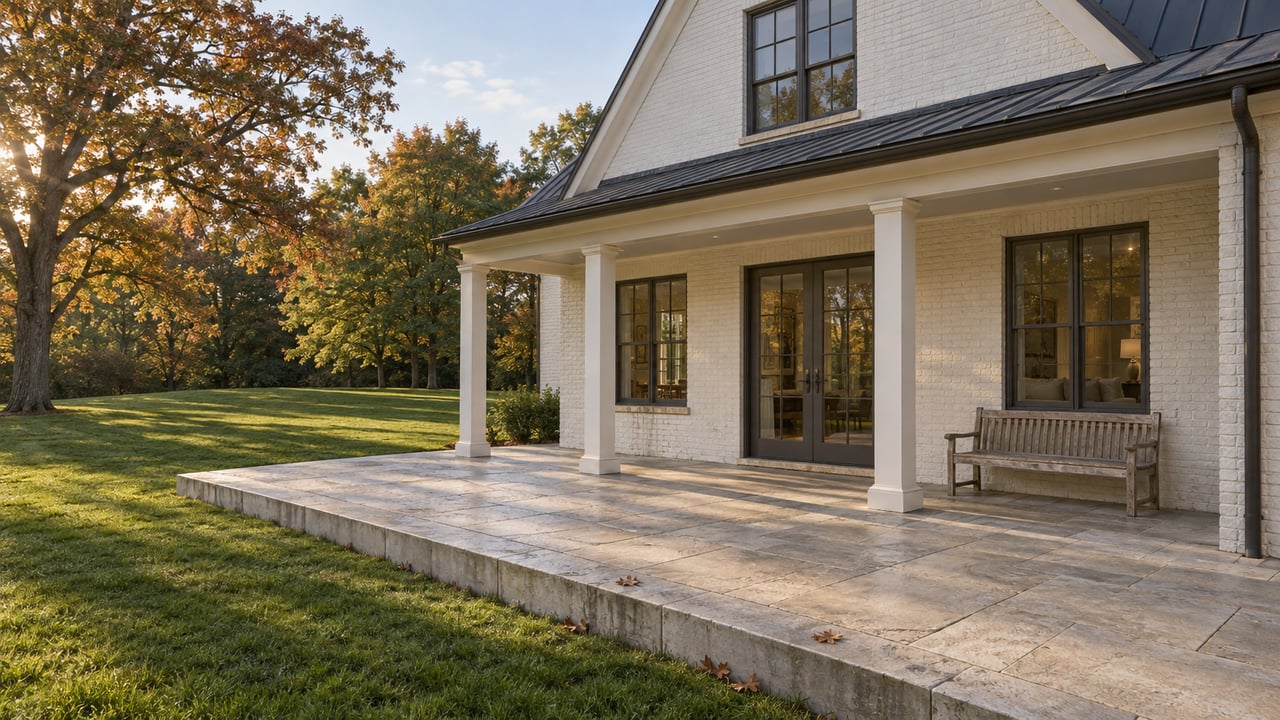
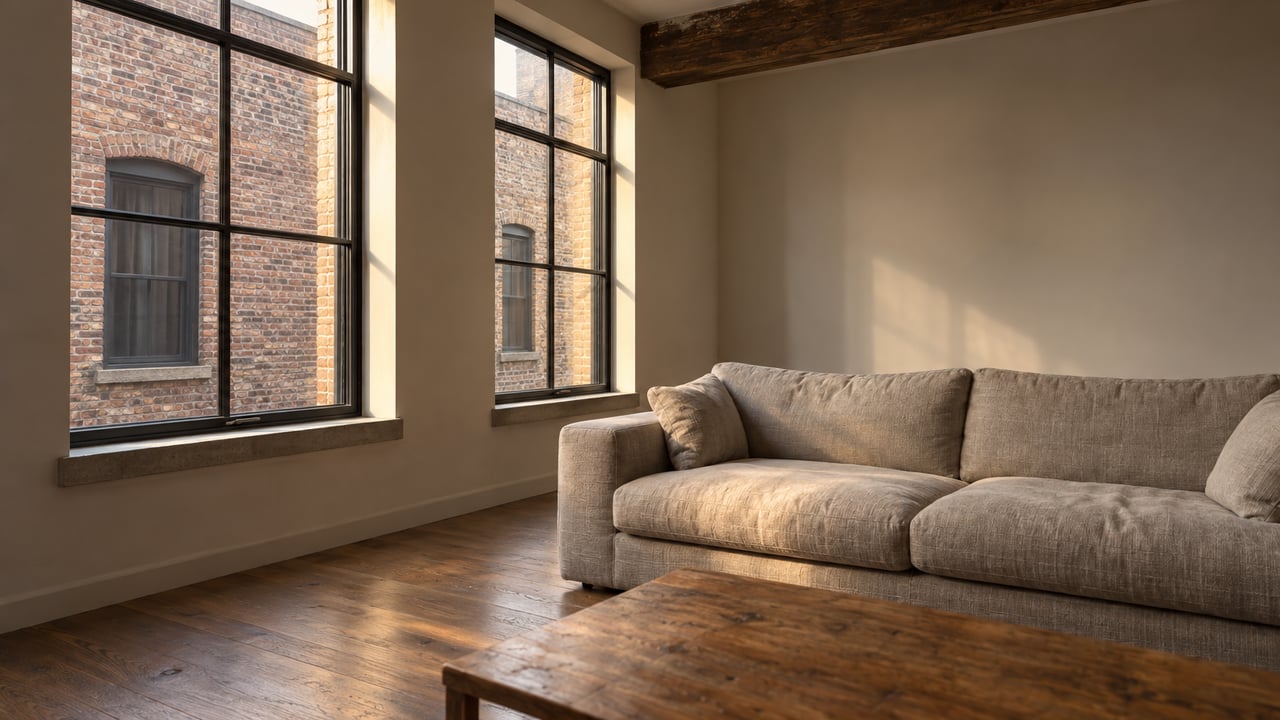
Recent infill often blends traditional massing cues with simplified detailing and modern interiors. Expect muted, high-quality material palettes and generous glazing placed in classical proportions, as seen in projects featured by Architect Magazine. Exteriors typically respect established rooflines, rhythms, and materials to maintain a cohesive streetscape.
Architecture, landscape, and “quiet luxury”
Belle Meade’s character comes from more than facades. Repeated setbacks, large lots, and mature trees create a steady rhythm that feels spacious and calm. City guidance emphasizes design that works with topography and tree canopy, reinforcing a park-like setting across blocks, as described in staff materials on compatibility and craftsmanship.
Materials matter, too. Full-depth brick or substantial masonry, slate or quality dark shingles, and traditional wood windows are preferred, and lower-grade substitutes are flagged as incompatible in the design guidelines. Landscape acts as a frame rather than a showpiece. Specimen trees, clipped hedges, stone walls, and long drives lead your eye to well-proportioned architecture, a pattern rooted in the historic estate grounds documented by SAH Archipedia.
Community choices also shape the view from the curb. Recent coverage of the boulevard’s sidewalk debate shows how residents prioritize a specific streetscape character that minimizes visual clutter. For context, see WSMV’s report on Belle Meade Boulevard.
Rules that guide design
Belle Meade’s Historic Zoning Commission (HZC) and Conservation Overlay create a framework that preserves character while allowing thoughtful new work. Certificates of Appropriateness are required for demolition, new construction, and substantial additions, and submittals must include site plans, elevations, material samples, and documentation, as detailed in the City’s design guidelines and HZC information page.
Size and massing are managed through height limits, footprint and floor‑area controls, and material standards, with examples and staff interpretations available in case files hosted on CHAMP. In practice, even contemporary designs typically show compatibility with historic roof shapes, window rhythms, and material palettes. This keeps the overall streetscape cohesive while allowing for well-executed new homes.
Buyer field guide: what to spot
Use this checklist on a drive or walk:
- Massing and orientation: Note if the main facade faces the street. Symmetry often points to Colonial or Georgian Revival, while asymmetry, cross gables, and complex roofs point to Tudor forms. Review local compatibility notes in recent staff materials.
- Entry and portico: Classical entries with columns, pediments, and fanlights suggest Colonial or Neo‑classical lineage. For style cues, see the NPS summary of Colonial Revival features.
- Materials and craft: Look for substantial brick or stone, slate or quality dark shingles, wood windows or high‑quality simulated muntins, and finely detailed chimneys. City documents flag thin veneer and low-grade substitutes as incompatible in guideline and staff references.
- Windows and rhythm: Evenly spaced, tall, multi-pane windows point to Georgian and Colonial homes. Grouped casements and varied openings often point to Tudor cottages, per general markers noted by the NPS.
- Roof pitch and chimneys: Steep gables and bold, patterned chimneys signal Tudor influence. Broad hipped roofs are more common with Colonial and Georgian forms, as seen in regional National Register examples.
- Site and landscape: Long driveways, specimen trees, and formal or service courts communicate an estate conception. The plantation grounds model this house‑to‑land relationship, noted by SAH Archipedia.
- Modern moves: Where you see larger glass or cleaner trim, check whether the massing, roof pitch, and materials still relate to neighbors. That compatibility is typical in refined projects like those in Architect Magazine’s Belle Meade feature.
Tour Belle Meade with purpose
If you plan a focused tour, preview the City’s HZC page and design guidelines so you know which features are protected and how new work is reviewed. The Conservation Overlay resources and the full design guidelines are your best starting points. Bring a short checklist, take notes on materials and massing, and pay attention to how the landscape frames each home.
Ready to align your goals with Belle Meade’s style?
Understanding Belle Meade’s architectural language helps you buy with confidence and renovate with respect for value. Whether you favor a stately Georgian, a storybook Tudor, or a refined contemporary that blends in quietly, local patterns and rules will guide your path. For discreet, concierge-level guidance tailored to high-end estates in and around Nashville, request a private conversation with Jamie Parsons.
FAQs
What architectural styles define Belle Meade for homebuyers?
- Greek Revival roots, early 20th-century Colonial and Georgian Revival, Tudor Revival, mid‑century ranches, and refined contemporary infill form the core, as outlined in the City’s design guidelines.
How do Belle Meade’s design rules affect renovations or new builds?
- The Historic Zoning Commission requires a Certificate of Appropriateness for major work, with standards for massing, materials, and compatibility detailed in the design guidelines.
Can you build a fully modern home in Belle Meade?
- Contemporary designs are allowed but must demonstrate visual compatibility with established roof shapes, window rhythms, materials, and site patterns, per the guidelines.
What should I look for on a Belle Meade home tour?
- Focus on massing, entries, materials, window rhythm, roof pitch, chimneys, and landscape framing, using the City’s compatibility focus in staff materials as a reference point.