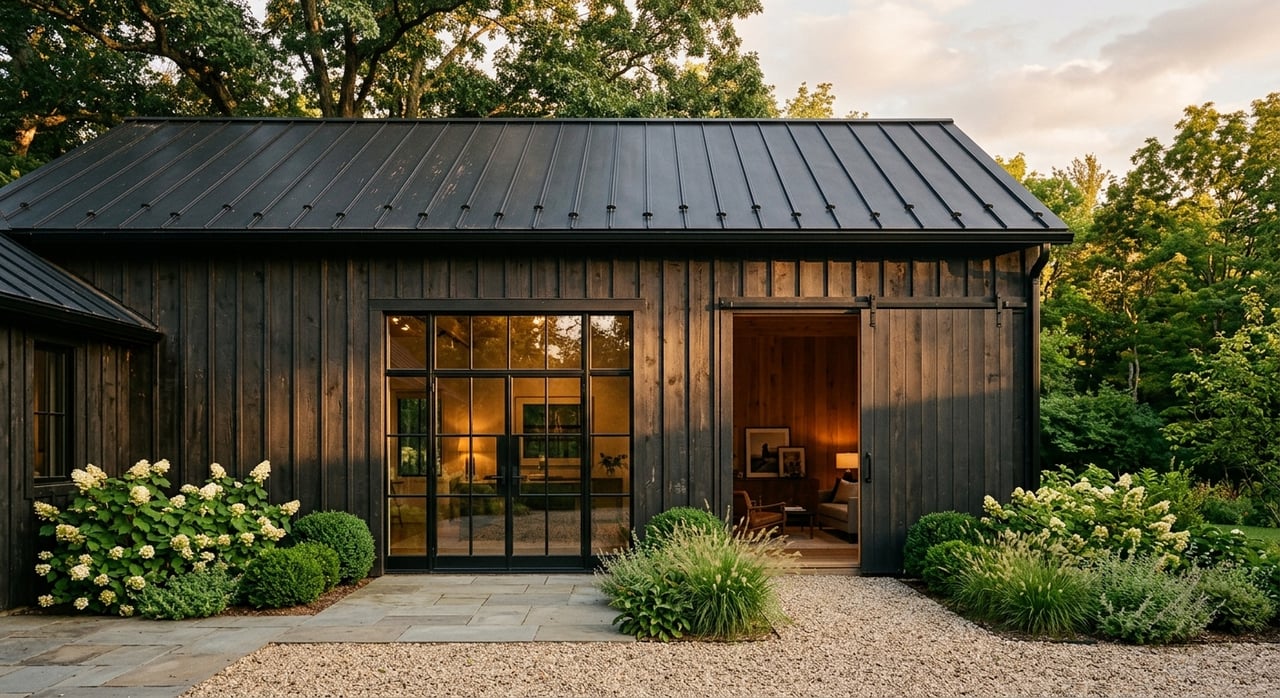
You do not create quiet luxury in Leiper’s Fork by making everything bigger. You create it by making each choice feel grounded, calm, and true to the land. If you are dreaming about a retreat in this part of Franklin and Williamson County, the goal is not just a beautiful house. It is a property that fits its rural setting, supports your lifestyle, and feels timeless from the moment you arrive. Let’s dive in.
Quiet luxury starts with place
Leiper’s Fork stands apart because it is shaped by its rural village identity as much as by its homes. Williamson County planning documents emphasize preserving small-town character, open space, natural resources, and a traditional development pattern. In practical terms, that means the land itself often matters just as much as the residence.
That context should shape every design decision you make. In this area, quiet luxury is less about display and more about stewardship, privacy, and restraint. A successful retreat feels connected to rolling hills, tree lines, waterways, and open space rather than set apart from them.
Why the landscape defines the experience
The Leiper’s Fork Village Special Area Plan describes a setting framed by waterways, rolling hills, protected habitat, floodplain, and steep slopes. It also notes that preserved buffers are critical to maintaining the area’s rural surroundings. That makes site planning a core part of good design, not an afterthought.
In fact, the landscape carries much of the area’s identity. The plan notes that agricultural use accounts for a small share of parcels but roughly 78% of acreage. That is a useful reminder that in Leiper’s Fork, the sense of place comes from open land, not just architecture.
Architecture should feel rooted
Because Leiper’s Fork is a National Register historic district, the most convincing homes tend to borrow from a local visual language that already belongs here. Historic building types in the district include cottage, side-gable, gable-front-and-wing, Cumberland, Queen Anne, and log-cabin forms. The common thread is that they feel useful, durable, and tied to everyday rural life.
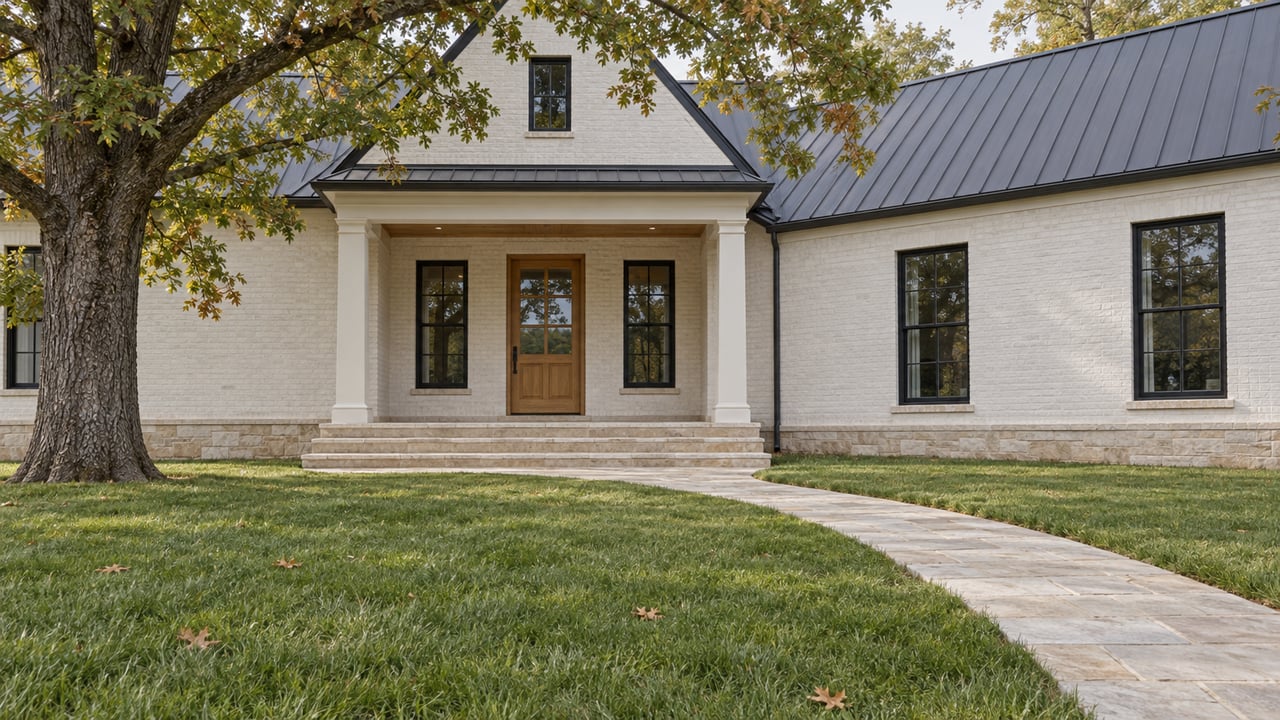
Materials matter just as much as shape. Historic cues include weatherboard siding, stone or yellow-stone foundations, metal or shingle roofs, porches, and simple outbuildings. These details support a look that feels tactile and enduring rather than overly polished or theatrical.
Scale matters more than spectacle
Williamson County’s standards for the Leiper’s Fork Village District call for compatibility with the scale and character of the village. They also emphasize traditional development patterns, preservation of open space, and protection of natural resources. For you, that means a home can be luxurious without feeling oversized or out of proportion.
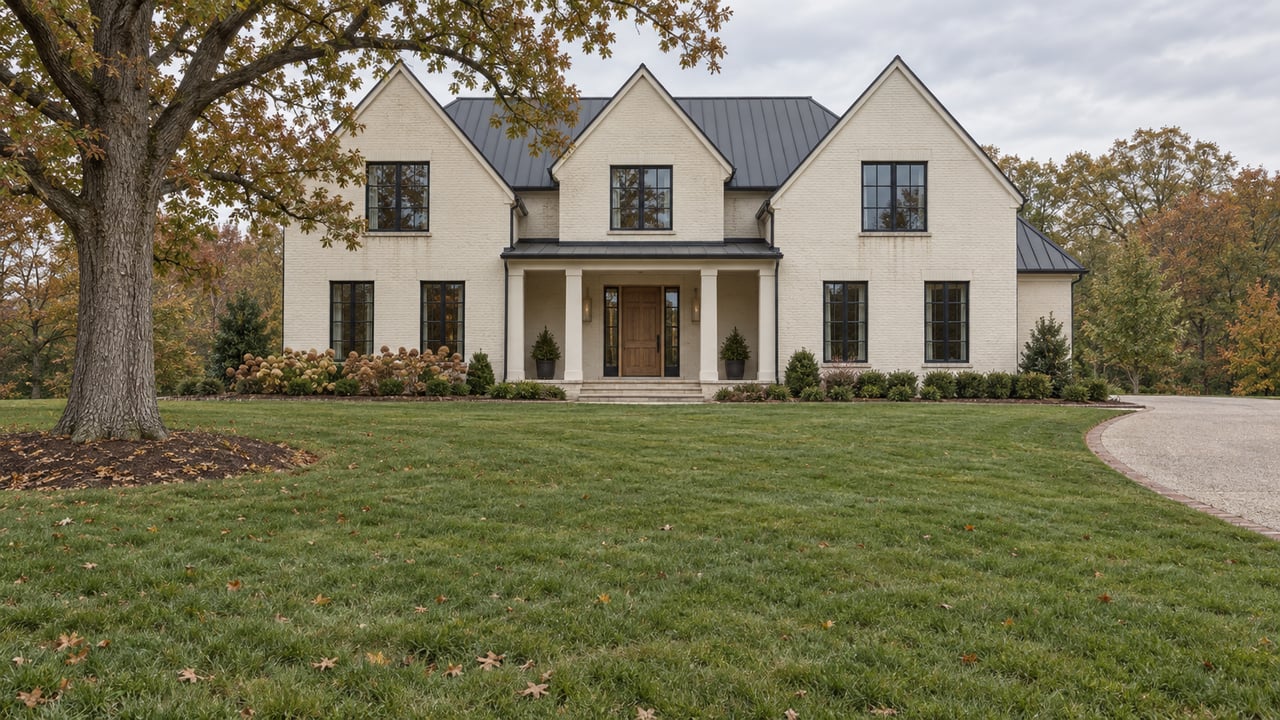
Restrained massing often reads better than a sprawling composition with too many competing rooflines. Generous porches, clear forms, and honest materials usually create a more credible sense of luxury here. The best homes feel composed and settled, as if they belong to the landscape.
Design the site before the house
In Leiper’s Fork, land-first thinking is essential. Williamson County notes that rural service levels typically do not include public water or sanitary sewer, which means infrastructure and site planning deserve close attention early in the process. A beautiful concept on paper still has to work with the realities of the parcel.
That is one reason quiet luxury here tends to reward simplicity. The more carefully your home responds to topography, drainage, access, and natural features, the more successful the final result will feel. Good design starts with reading the site honestly.
Respect slopes, streams, and buffers
The special area plan identifies slopes over 35%, floodplain edges, wooded pockets, and natural stream buffers throughout the area. Those conditions make tree preservation, modest hardscape, and low-impact drainage strategies especially important. Pushing the site too hard can work against both aesthetics and long-term function.
Instead, think in terms of preservation first. Save mature trees where possible, minimize unnecessary grading, and let natural contours guide the placement of drives, terraces, and outdoor rooms. That approach usually creates a retreat that feels quieter and more established.
Native landscaping supports the luxury feel
A polished Leiper’s Fork property does not need to rely on a high-maintenance ornamental plan. University of Tennessee Extension guidance defines a sustainable landscape as one that fits the site’s climate, soil, water flows, budget, and lifestyle. It also recommends protecting waterways and wildlife habitat while minimizing irrigation, fertilizers, herbicides, mowing, and energy use.
That advice lines up perfectly with the local idea of quiet luxury. A layered, site-appropriate landscape often feels richer and more sophisticated than a large lawn that demands constant input. It also tends to age better and sit more naturally within the broader countryside.
Build layers with native trees
UT Extension notes that native trees adapted to Tennessee ecosystems often support wildlife and handle weather stress better than exotic choices. Examples include oaks, maples, dogwood, yellow-poplar, river birch, hickories, blackgum, persimmon, and eastern red cedar. These trees can help create a canopy-and-understory plan that feels full, durable, and regionally grounded.
For your retreat, that might mean prioritizing shade, seasonal texture, and habitat layers over decorative excess. Diverse bloom times, varied foliage, and natural screening can make the property feel private and serene. In a place like Leiper’s Fork, that sense of ease is a luxury in itself.
Secondary buildings should stay secondary
Many buyers imagine a guest cottage, studio, barn, pool house, or carriage-style structure as part of the full retreat experience. That can absolutely work here, but the best compounds feel coordinated rather than crowded. Secondary buildings should support the main residence and the land, not compete with them.
Williamson County zoning offers a useful framework for this idea. Accessory structures are intended to remain subordinate, and accessory uses and structures cannot cover more than 20% of the lot area. On many properties, the right answer is a composition of buildings that reads as one cohesive story.
Plan cottages and studios with care
The county allows one accessory dwelling unit per parcel, and it may be created within the main house or in a converted accessory structure such as a garage, carriage house, or stable. The appearance must still preserve the character of a single-family home. That means any guest space should feel integrated and understated.
If you are planning a studio, barn, or guest cottage, think about shared materials, roof forms, and placement. A quiet-luxury compound often works best when each structure feels visually related and properly scaled. The property should unfold naturally, not read as a collection of showpieces.
Amenities should feel calm and useful
The strongest luxury amenities in Leiper’s Fork are the ones that deepen your connection to the property. Current design trends support this approach. AIA’s 2025 surveys show continued demand for outdoor living spaces, blended indoor-outdoor spaces, outbuildings, low-irrigation landscaping, and spa-like bathrooms with natural materials and premium fixtures.
That trend is echoed by broader luxury-buyer preferences. Landscaping, indoor-outdoor living, covered patios, pools, and outdoor kitchens rank high with buyers, but in this setting the execution matters more than the checklist. The goal is not to add everything. The goal is to create comfort, privacy, and a sense of retreat.
Best-fit amenities for Leiper’s Fork
The most believable amenity package usually includes features that feel tied to rural living and relaxed entertaining. Consider options like:
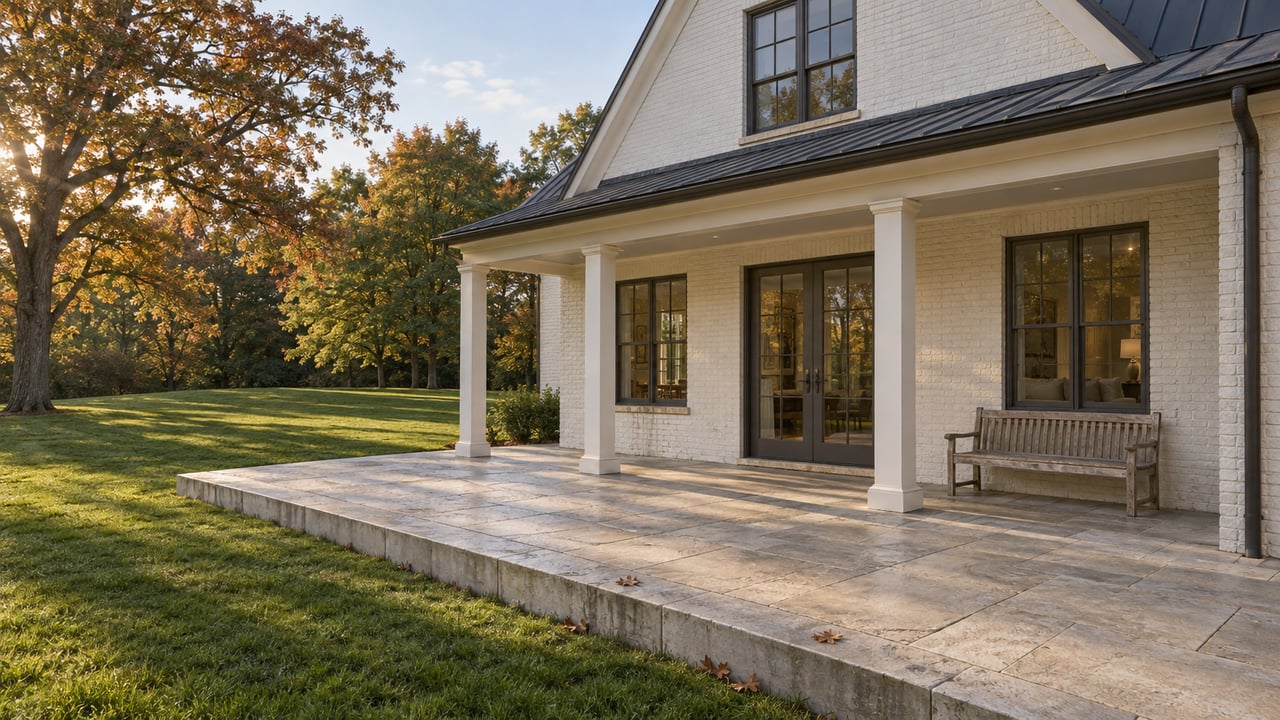
- Covered porches with room for dining and conversation
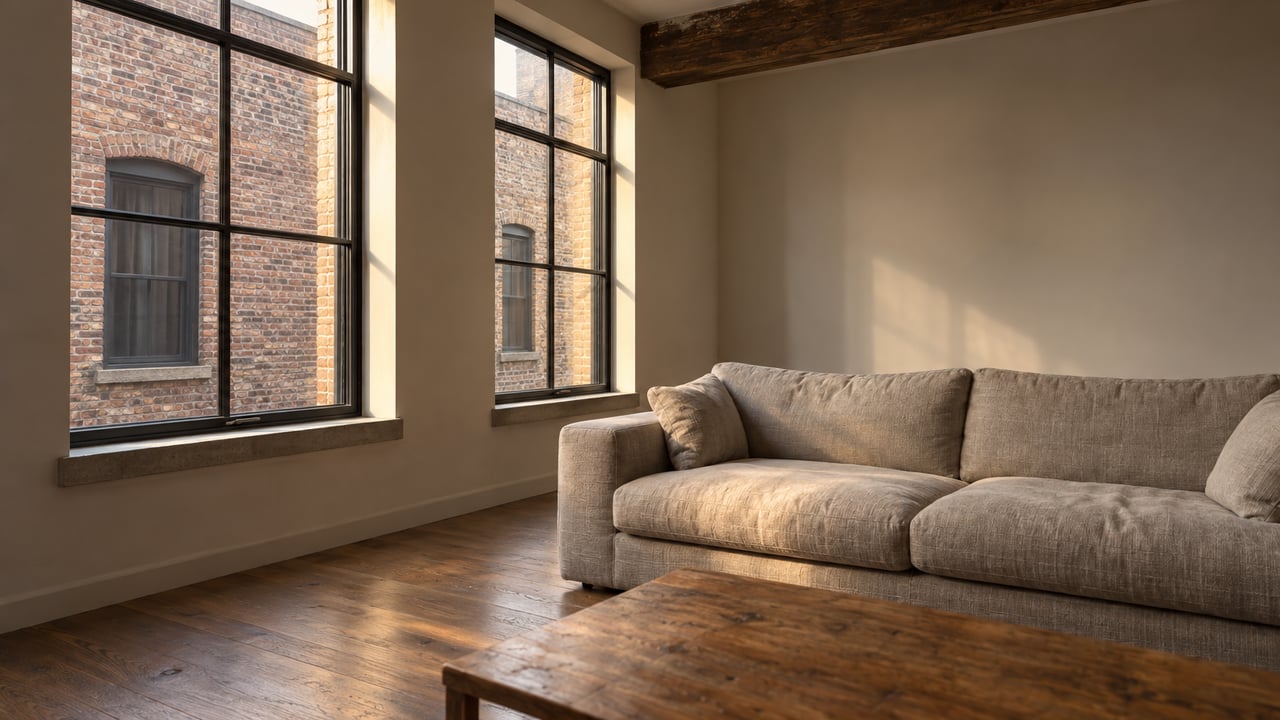
- Indoor-outdoor transitions that open easily to views and breezes
- Spa-like baths with natural finishes and a restrained palette
- Barns, sheds, or studios that support hobbies or hosting
- Low-irrigation planting plans that reduce maintenance
- Fire features or gathering spaces that feel intimate rather than oversized
When these elements are done well, the house feels more restorative. It becomes a retreat you can actually live in, not just a property that photographs well.
A quiet luxury retreat needs a long view
Designing in Leiper’s Fork is not about copying a trend or importing a style that belongs somewhere else. It is about understanding the village’s historic character, the county’s rural planning priorities, and the practical realities of the land. When those pieces align, the result feels effortless.
For buyers and sellers in Franklin, Leiper’s Fork, and greater Williamson County, this is where experienced guidance matters. Properties with acreage, multiple structures, and lifestyle-driven design choices require a thoughtful eye for both value and fit. If you are considering a purchase, renovation, or future sale, working with an advisor who understands quiet luxury at the property level can help you make choices that protect both lifestyle and long-term appeal.
If you are exploring a quiet luxury property in Leiper’s Fork or preparing one for market, Jamie Parsons offers discreet, high-touch guidance shaped by deep experience with luxury rural estates, legacy properties, and lifestyle compounds.
FAQs
What does quiet luxury mean in Leiper’s Fork?
- In Leiper’s Fork, quiet luxury usually means understated design, strong connection to the land, durable materials, privacy, and site-sensitive planning rather than conspicuous scale or flashy features.
What architectural styles fit a Leiper’s Fork retreat?
- Homes that take cues from local historic forms such as cottages, side-gable houses, simple porches, weatherboard siding, stone foundations, and metal or shingle roofs tend to fit the area best.
What landscape approach works best for Leiper’s Fork properties?
- A layered, low-input landscape with native trees, preserved open space, protected buffers, and reduced irrigation usually aligns well with the area’s rural setting and sustainable site conditions.
Can you build a guest cottage on a Leiper’s Fork property?
- Williamson County allows one accessory dwelling unit per parcel in certain forms, including within the main house or a converted accessory structure, and it must preserve the appearance of a single-family home.
What amenities add value to a quiet luxury home in Franklin and Leiper’s Fork?
- Features that often fit this market include covered porches, indoor-outdoor living areas, strong landscaping, spa-style bathrooms, and visually secondary outbuildings that support the property’s lifestyle use.
Why does site planning matter so much in Leiper’s Fork?
- Site planning is especially important because the area includes steep slopes, floodplain edges, wooded areas, stream buffers, and rural infrastructure conditions that can shape how a property functions and feels.