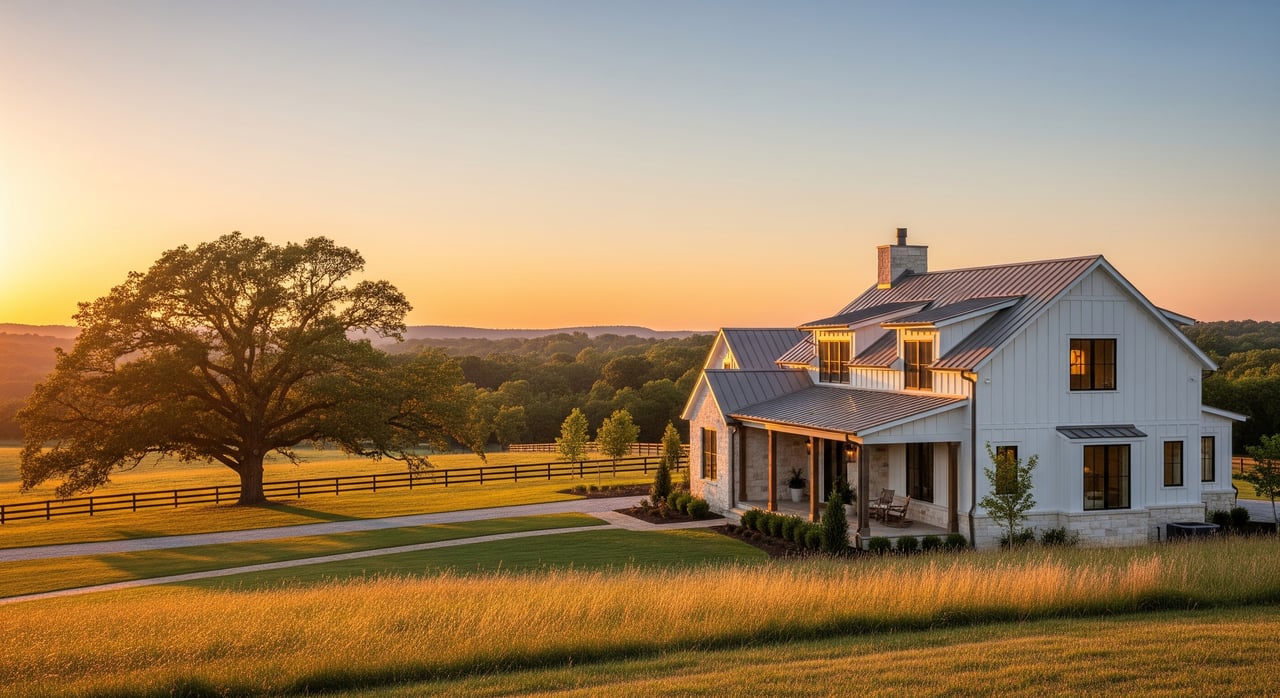
Shopping for acreage near Nashville can feel like choosing between three great versions of country living. You might crave a quiet lane with room for horses, want a shorter commute, or need flexibility to add barns and outbuildings. This guide shows you how Franklin, Brentwood, and Thompson’s Station compare so you can focus your search with confidence. You will learn how drive times, land use, equestrian fit, pricing, and infrastructure differ and what that means for your lifestyle and investment. Let’s dive in.
How to think about acreage here
Acreage in Williamson County varies more by use and location than by simple lot size. What you can actually do on the land matters as much as the number on the sign. That includes zoning, topography, soil and septic, access, and any covenants that affect horses or agricultural use. Your daily rhythm also counts, from commute windows to service access and how the area might change over time.
Franklin vs Brentwood vs Thompson’s Station
Each community offers a distinct mix of access, land patterns, and feel.
- Brentwood: Generally the closest to Nashville and the most limited in remaining large vacant parcels. Acreage here often sits in established estates or pockets with restrictive zoning that preserves an estate character.
- Franklin: A regional hub with a mix of historic farms, estate acreage, and growing subdivisions. Development pressure is strong, but larger parcels remain on the outskirts.
- Thompson’s Station: Historically more rural with a higher share of multi-acre parcels and hobby farms. Development is increasing, yet the town still provides comparatively more options expressly marketed as acreage.
Commute and daily drive times
Brentwood typically offers the shortest drive into central Nashville. Franklin sits between Brentwood and Thompson’s Station and provides more local services and routes. Thompson’s Station, farther south, usually means longer drives to Nashville and sometimes longer than central Franklin.
When you evaluate a specific property, check live routing during peak weekday windows. Run door-to-door routes to work and include your school drop-off loop if that is part of your routine. Factor in access to major corridors like I-65 and US-31 and expected bottlenecks. Remember that long driveways, gates, and gravel can add minutes that maps do not show.
Parcel sizes, zoning, and usable land
Acreage is only as useful as what you are allowed and able to build or keep on it.
- Brentwood: Inventory of large parcels is scarce. Where acreage exists, expect estate settings and, at times, conservation or restrictive zoning that shapes future improvements.
- Franklin: A broad mix from historic farms to estate tracts. On the edge of town, you still find larger lots, but competition is strong.
- Thompson’s Station: More frequent multi-acre offerings and properties purpose-built for acreage lifestyles, including equestrian uses.
Before you fall in love, verify the zoning district and minimum lot size. Review recorded covenants, restrictions, and any HOA rules that touch barns, horses, or agricultural activities. Confirm how the parcel was created, whether by subdivision plat or metes-and-bounds, and check for access easements or shared private roads that require maintenance agreements. Ask about conservation easements or agricultural enrollments that may shape use and future plans.
Equestrian culture and amenities
All three towns support recreational and serious equestrian activity, though the density of horse-friendly parcels and trail networks varies. Thompson’s Station tends to show more hobby farms and purpose-built horse properties because larger lots are more common. Franklin and Brentwood also have horse properties, but suburbanization and smaller-lot development can limit contiguous pasture and trail access in certain areas.
When you tour, inventory both on-site and off-site support:
- On-site: Barns and stables, paddocks, arena pads or installed arenas, safe fencing, water sources, loafing sheds, and functional gates.
- Off-site: Boarding options, trainers, equine veterinarians, farriers, feed and tack resources, and trail systems or greenways open to riding.
- Suitability factors: Drainage and soil, slope for pasture, setbacks for barns, manure management options, and fencing type and condition.
Small details matter for safety and cost. Look for clear setbacks, fencing away from busy roads, and well-designed water management in pastures and arenas.
Price position and value signals
Pricing for acreage is shaped by location, size, improvements, utilities, and future potential.
- The location premium typically runs Brentwood higher than Franklin, with Thompson’s Station offering comparatively more acreage for the dollar. Premium pockets in Franklin can approach Brentwood-level pricing.
- Per-acre pricing often declines as tract size increases, while total price rises with acreage and improvements.
- Houses, barns, paved access, and utility connections add value. Sewer access can command a premium, especially when subdivision potential exists.
To understand current bands, compare active and sold listings with consistent lot-size buckets and separate improved parcels from raw land. Then adjust for special features like views, creek frontage, usable pasture versus heavily wooded acreage, tidy fencing, and road frontage.
Infrastructure and site development
Rural and semi-rural properties work differently than in-town lots. Confirm what is on the ground and what is possible if you plan to build.
- Water and sewer: Many acreage properties rely on wells and septic. Confirm the septic permit and capacity, especially if you plan additions, an accessory dwelling, or stalls with wash bays. Proximity to municipal sewer can increase value and options. Ask about any planned sewer expansions.
- Roads and access: Private or deeded access is common. Review maintenance agreements and the condition of gravel or paved drives. Gated entries add security but can add time to each trip.
- Utilities: Verify electric availability and whether lines are overhead or underground. Check broadband options for remote work because availability can vary across rural addresses.
- Environmental constraints: Review flood maps, slopes, soils, wetlands, and any conservation easements that reduce usable acreage.
- Permitting: Building, septic, well, driveway, and erosion control permits may be required. New curb cuts on state routes can trigger turn lane or road improvements, which add cost.
Schools, taxes, and services
Many properties in these areas are served by Williamson County Schools, which is a common factor in buyer decision-making. Always confirm the current school zone for the exact parcel, since boundaries may vary by street. Property taxes and exemptions, including agricultural or conservation programs, affect long-term ownership costs, so review current tax records. Service coverage will differ by location, including fire protection, EMS, and law enforcement, which can influence response times and insurance.
Which town fits your goals
Use your non-negotiables to guide town selection before you sift through individual listings.
- Choose Brentwood if you prioritize the shortest drive to Nashville, highly limited estate acreage, and a quieter pipeline of large vacant tracts. Expect scarcity and competition for truly private parcels.
- Choose Franklin if you want a lively regional hub with a mix of estate tracts and historic farms on the outskirts. Development pressure is real, so look carefully at future planning around your target area.
- Choose Thompson’s Station if acreage quantity, equestrian practicality, and a more rural feel top your list. You will often find more multi-acre options and hobby-farm setups, with rising demand as growth continues.
A clear decision framework
Follow this step-by-step process to shortlist confidently.
Step 1: Rank your priorities
- Minimum usable acreage
- Barns and arena now versus room to build later
- Daily commute threshold in minutes
- Preferred school considerations
- Privacy versus proximity to town amenities
- Long-term plan: keep as farm, build an estate, or hold for potential subdivision
Step 2: Set quick elimination filters
- If a commute under a set time is non-negotiable, remove towns that regularly exceed it during peak hours.
- If a sewer connection is required, exclude parcels beyond municipal sewer boundaries.
- If active equestrian operations are essential, drop properties lacking adequate pasture, fencing, or with restrictive covenants.
Step 3: Score your shortlist
Use a simple weighted matrix to compare favorites:
- Travel time to work and schools: 25%
- Parcel usability for horses or farming: 25%
- Price per acre and budget fit: 20%
- Services and schools: 15%
- Future development risk: 15%
Step 4: On-property due diligence
- Order a recent soil or perc test if septic is needed
- Pull title and plats to review easements, rights-of-way, and covenants
- Verify zoning and permitted uses with the municipality
- Confirm barn and manure management rules
- Review floodplain and wetlands mapping
- Speak with local equine veterinarians, farriers, and feed stores about service availability
- Drive the commute during peak times
- Request a boundary survey if lines are unclear
Step 5: Run targeted searches
- Filter by municipality, lot size bands, and keywords such as horse, barn, arena, or pasture
- Separate improved acreage from unimproved land
- Save search alerts and study sold comps within the same property type
Planning for tomorrow’s growth
Growth patterns affect both your enjoyment and your investment. Review the comprehensive plans and recent rezonings in your chosen area to understand likely future development near your property. If an adjacent tract is slated for subdivision, expect changes in traffic, views, and overall rural character. On the other hand, parcels with conservation easements or agricultural enrollments may offer more predictability.
How we can help
Selecting between Franklin, Brentwood, and Thompson’s Station for acreage is as much a lifestyle choice as it is a real estate decision. A focused search, grounded in zoning, infrastructure, and on-the-ground commute testing, will save you time and protect value. If you are weighing horses, barns, or long-term estate plans, experienced guidance can surface the right parcels and de-risk each step.
If you are ready to refine your shortlist or want a confidential conversation about an acreage purchase or sale, connect with Jamie Parsons for a private consultation.
FAQs
What differs most among Franklin, Brentwood, and Thompson’s Station for acreage?
- Brentwood tends to offer the shortest Nashville commute but fewer large vacant parcels, Franklin provides a mix of estate tracts near a busy hub, and Thompson’s Station offers comparatively more multi-acre options and horse-friendly setups.
How can I check if a property allows horses and barns?
- Review the zoning district, recorded covenants, and any HOA rules for the exact parcel, and confirm barn setbacks and livestock standards with the local planning department.
Are septic systems common on acreage near Nashville?
- Yes, many acreage properties rely on septic, so you should confirm the existing permit, capacity, and soils, especially if you plan additions or an accessory dwelling.
How should I test commute times from an acreage property?
- Use live routing during weekday peaks, run door-to-door including school stops, and account for internal drive time on long or gated driveways.
Do property taxes or exemptions affect ownership costs?
- Property taxes vary by parcel and exemptions such as agricultural or conservation programs can reduce costs, so review current tax records and eligibility for any available programs.
What utilities should I verify before buying acreage?
- Confirm electric service, broadband options, well or municipal water, and whether sewer is available or if you will rely on septic, which affects expansion plans.