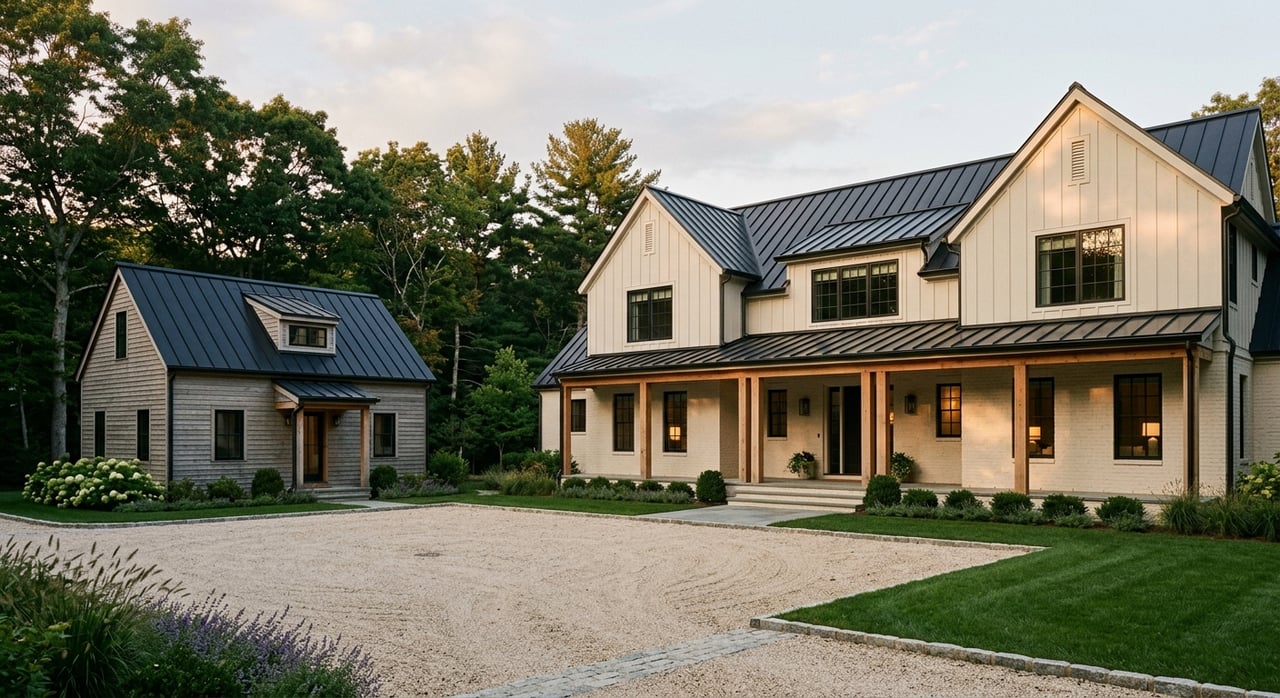
Are you looking for a property where parents, adult children, or long-term guests can live nearby without giving up privacy? In Franklin, that idea can work beautifully, but the right estate is about more than square footage and curb appeal. You also need to understand local zoning, site layout, and future flexibility so the property supports your family now and later. Let’s dive in.
Why Franklin Works for Multi-Generational Living
Franklin and greater Williamson County offer a strong fit for buyers who want space, privacy, and a more thoughtful estate setup. Large lots, established outbuildings, and lifestyle properties can make it easier to create separation between households while keeping everyone connected.
That said, the best options are not always the most obvious ones. A beautiful property may still fall short if the zoning, septic capacity, parking, or permitting path does not support how you plan to use it.
Start With City or County Rules
One of the first questions to answer is whether a property sits inside the City of Franklin or in unincorporated Williamson County. That single detail affects the zoning rules, permitting process, and what type of multi-generational layout may be allowed.
In Franklin, accessory dwellings are permitted in many districts under the current zoning ordinance effective January 13, 2026. On single-family residential lots, the owner must be a permanent occupant, only one accessory dwelling is allowed per lot, and the accessory dwelling footprint cannot exceed 50 percent of the principal building footprint. Franklin also requires parking based on its minimum parking standards.
Williamson County also allows accessory dwelling units, including interior apartments and separate or converted structures like garages, carriage houses, or stables. The county allows one accessory dwelling per parcel and limits it to 750 square feet or 25 percent of the principal dwelling, whichever is greater. The county also states that the accessory dwelling may not exceed 75 percent of the principal dwelling’s square footage.
These details matter because the same family goal can lead to different property choices depending on location. In some cases, a city property may support a well-designed cottage plan, while a county parcel may offer more flexibility for acreage, structure placement, or long-term compound planning.
Best Estate Layouts for Family Living
Main House and Detached Cottage
For many buyers, this is the clearest and most comfortable setup. A main residence paired with a detached guest cottage or accessory dwelling gives each household more independence while still keeping family close.
This layout often works well for aging parents, adult children, or live-in support arrangements where privacy matters. It can also create a more graceful daily rhythm, with shared time when you want it and separation when you need it.
Main House and Interior Suite
An interior apartment or private suite can be a smart option if you want support nearby without building or converting a separate structure. This setup may suit families who want easy access between generations while still preserving a sense of personal space.
In Williamson County, interior apartments are specifically allowed as accessory dwellings. For some buyers, this can be the most practical path when the property already has the right square footage and floor plan.
Converted Garage, Carriage House, or Stable
Franklin and Williamson County both recognize the value of existing accessory structures in the right setting. Converting a garage, carriage house, or stable can be an efficient way to create usable living space without changing the overall character of the estate.
Still, conversion is never automatic. The structure must remain within local rules related to size, appearance, and parking, and in Franklin, conversions from existing accessory structures are allowed only if they do not increase dimensional nonconformity.
Larger Acreage Family Compound
For buyers seeking a true compound rather than a main house with one secondary unit, certain larger county parcels may offer unusual potential. Williamson County allows additional principal dwellings on a parcel, up to five total dwellings, with minimum parcel sizes of 25, 50, and 100 acres for the third, fourth, and fifth principal dwelling respectively.
That creates a distinct opportunity for legacy-minded buyers who want land that can evolve over time. For the right family, a large-acreage parcel may support not just today’s living plan, but a longer-term vision for stewardship and shared use.
Privacy Depends on Site Planning
A multi-generational estate should feel intentional, not crowded. In practice, privacy often depends less on the number of buildings and more on how they sit on the land.
In Williamson County, lot size has a major impact on where accessory structures can go. On lots under five acres, accessory structures must be in the rear yard and set back at least 15 feet from the side and rear property lines. On lots of five acres or more, accessory structures may be placed in the rear yard, side yard, or even the front yard if they are at least 200 feet from the front property line and meet the principal-structure side setback.
This is why acreage alone does not tell the whole story. Tree cover, driveway approach, topography, and the shape of the buildable area can determine whether a property will feel private and cohesive.
Franklin’s code also offers a helpful design cue for properties with accessory dwellings. Entrances and major openings should face the principal house, alley, street, or interior of the lot when possible, which supports a more inward-facing layout and can help the estate feel connected without reading like a duplex.
Historic Overlay Can Affect Design Choices
Some of Franklin’s most appealing properties come with added review requirements. If a property is located in the Historic Preservation Overlay District, a Certificate of Appropriateness is required for new construction, additions, and many exterior changes before permits are issued.
That review process can influence more than the architecture. New buildings, additions, driveways, parking areas, fences, walls, and other exterior changes may be reviewed for compatibility, which makes early planning especially important if your goal is to create a private, multi-structure estate.
For buyers, this means landscaping and screening should be part of the property search from the start. Separation between buildings, tree preservation, and driveway placement may all affect whether the estate can function the way you want.
Septic and Utilities Matter More Than Buyers Expect
One of the most important due diligence items for multi-generational living is septic capacity. Tennessee requires permits for onsite wastewater treatment systems, and the permit application considers details such as number of occupants, number of bedrooms, water-use amounts, and site sketch information.
The state also notes that a typical three-bedroom home uses about a 1,000-gallon tank, while larger homes require larger tanks. Williamson County’s zoning ordinance further requires approval from the county’s Department of Sewage Disposal Management for subsurface sewage disposal areas.
In simple terms, a property should be evaluated for your intended household mix, not just its current bedroom count. A home that looks ideal on paper may not support your plan if the septic permit, utility layout, or service capacity does not align with how the estate will actually be used.
Plan for Flexibility, Not Just Today
The most successful multi-generational estates are the ones that can adapt over time. Your needs may change from housing parents, to welcoming returning adult children, to creating guest space, caregiver quarters, or a private work studio.
That is why flexible structures often hold more value than highly specialized ones. A modest cottage, converted garage, or studio may offer more options later than a custom build designed for only one narrow use.
Williamson County’s deed restriction requirement for accessory dwellings also points to the importance of long-term planning. On larger parcels especially, future changes may depend on density, dimensional, and subdivision standards, so it pays to think beyond the immediate move.
What to Look for During Your Search
If you are searching for a Franklin country estate for multi-generational living, focus on properties that balance lifestyle appeal with practical approval pathways.
A strong shortlist often includes:
- Clear confirmation of whether the property is in Franklin or unincorporated Williamson County
- Existing outbuildings that may support conversion
- Acreage and lot geometry that allow thoughtful building placement
- Driveway patterns that create separation between households
- Room for required parking
- Septic and utility systems that match your intended use
- A layout that can evolve as family needs change
- Early awareness of any Historic Preservation Overlay requirements
In this segment of the market, discretion and due diligence go hand in hand. The right property is not just beautiful. It should also support your family’s privacy, daily function, and long-term plans with as few compromises as possible.
If you are considering a move to Franklin or Williamson County and want a property that can serve more than one generation well, working through the land, zoning, and estate-planning details early can save time and protect your options. For tailored guidance on legacy estates, acreage properties, and lifestyle compounds, connect with Jamie Parsons.
FAQs
What makes Franklin estates suitable for multi-generational living?
- Franklin and Williamson County offer properties with acreage, outbuildings, and estate-style layouts that can support separate living areas, but suitability depends on zoning, parking, septic, and permitting.
How do Franklin and Williamson County rules differ for accessory dwellings?
- Franklin allows accessory dwellings in many districts and limits single-family lots to one accessory dwelling with owner occupancy and footprint rules, while Williamson County also allows interior apartments and converted structures with size limits and deed restriction requirements.
Can a Franklin property have a detached guest cottage for family use?
- In many cases, yes, but the answer depends on whether the property is in the city or county, the zoning district, the size of the proposed dwelling, parking compliance, and the permitting path.
Can larger Williamson County parcels support a true family compound?
- Some larger county parcels may, because Williamson County allows additional principal dwellings up to five total dwellings on qualifying acreage, subject to minimum parcel sizes and other standards.
Why is septic important for multi-generational estates in Williamson County?
- Septic capacity affects whether the property can realistically support your intended number of occupants and bedrooms, and county approval is required for subsurface sewage disposal areas.
What should you verify before buying a Franklin country estate for extended family living?
- You should confirm city versus county jurisdiction, zoning allowances, accessory dwelling limits, parking, septic capacity, utility layout, placement options for structures, and whether any historic overlay review applies.