Wondering where to land if you love city energy but do not want your whole Nashville move to feel too suburban or too rural? East Nashville often stands out for coastal relocators who want a creative, in-town home base with personality, walkable pockets, and easy access to downtown. If you are trying to picture how an urban neighborhood can pair with a longer-term move toward acreage in Williamson County, this guide will help you see why East Nashville deserves a close look. Let’s dive in.
Why East Nashville Appeals to Creative Relocators
East Nashville sits across the Cumberland River from downtown Nashville, which gives you close access to the city while keeping a neighborhood feel. Visit Nashville publicly describes the area as culturally diverse, eclectic, and closely tied to a creative identity. You will also find historic homes from the early 1900s mixed into the neighborhood fabric.
That blend matters if you are relocating from a coastal market and want more than a standard urban address. East Nashville feels lively and lived-in, with a strong sense of local culture. It offers a city-facing lifestyle without feeling detached from residential day-to-day life.
Metro Nashville’s planning framework also places East Nashville within the NashvilleNext community-plan system. In practical terms, that means the area is part of a long-range policy structure that helps guide land use and neighborhood character over time. For buyers, that is useful context when evaluating how a neighborhood may evolve.
East Nashville Offers Everyday Urban Access
For many relocators, convenience is not just about commute time. It is about whether your neighborhood supports how you actually want to live. East Nashville benefits from current transportation work focused on linking residential areas with commercial districts like Five Points and Shelby Bottoms Park, while also improving routes toward downtown.
Metro Transportation describes bikeway and multimodal projects that aim to connect key areas more easily. That supports the case for East Nashville as an active urban base where you can move between residential streets, local businesses, parks, and the core of the city with greater ease. If you are used to neighborhoods where daily life happens beyond your front door, that pattern will likely feel familiar.
Creative Culture Shapes Daily Life
One of East Nashville’s strongest draws is its public-facing creative culture. Visit Nashville highlights the neighborhood for innovative restaurants, dive bars, creative cocktails, live music, art, and vintage shopping. It also specifically points to brunch spots, coffee shops, and record stores, which helps explain why the area feels layered rather than one-note.
If your ideal neighborhood includes places to browse, gather, and recharge, East Nashville checks many of those boxes. The creative identity here is not limited to nightlife. It shows up in everyday rituals, from coffee runs to casual dinners to browsing local retail.
There is also a visible maker culture in the area. Visit Nashville maps attractions like the Outrider Mural and the Flower Balm Mural, and a 2025 press release announced Ceramic Souls, a pottery studio opening in Highland Yards. That kind of street-level visual and hands-on creative activity gives the neighborhood texture that many relocators are looking for.
Home Styles Range From Historic to Infill
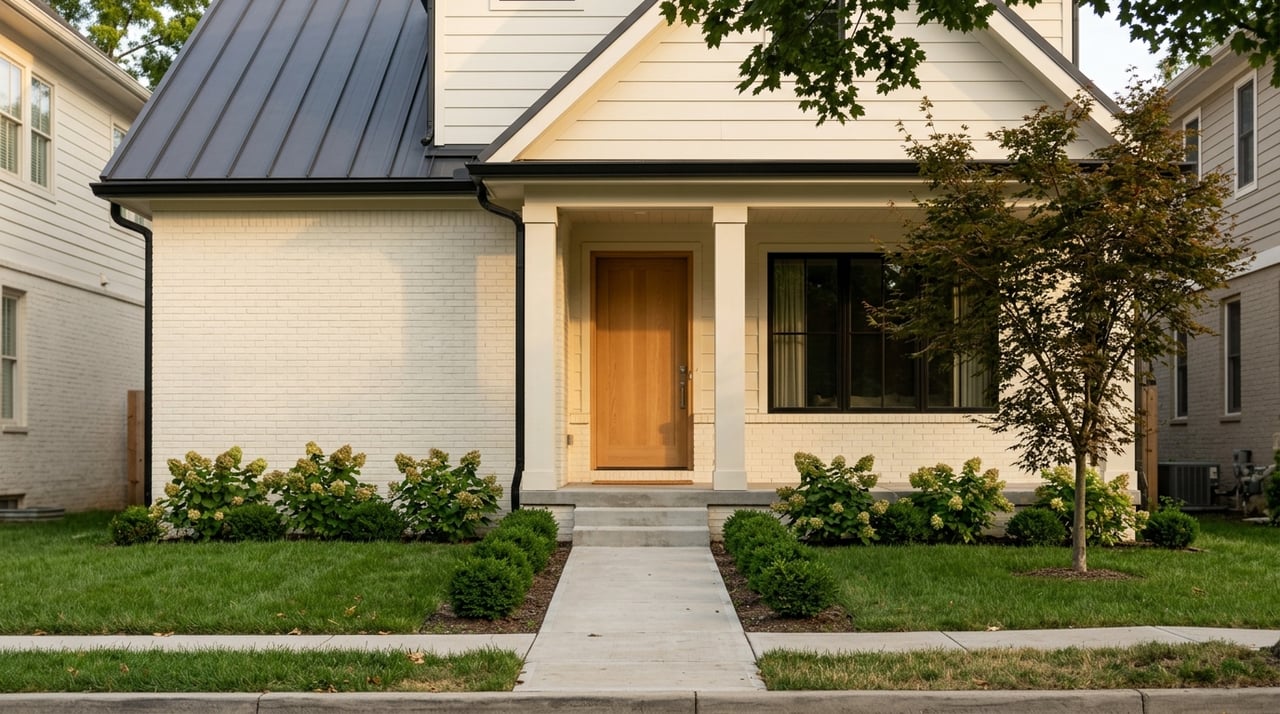
East Nashville is not defined by one housing type, and that is part of its appeal. The East Nashville community plan describes a mix of single-family and two-family detached homes, accessory dwelling units, townhouses, and small stacked flats. As a buyer, you may notice that one block feels rooted in history while the next reflects more recent infill.
That variety can work well if you are balancing lifestyle with flexibility. Some buyers want architectural character and established streetscapes. Others want lower-maintenance living, modern layouts, or options that may support guests, creative work, or future expansion.
Historic architecture remains a major part of East Nashville’s identity. The East Nashville Historic District includes styles such as Beaux Arts, Stick/Eastlake, and Queen Anne, while Edgefield preservation guidelines describe homes from the 1860s through about 1930, including Italianate, Eastlake, Queen Anne, Classical Revival, and Bungalow styles. If you are drawn to homes with visual depth and period details, East Nashville offers a meaningful range.
Historic Overlays Matter for Buyers
If you are considering a historic home, it is worth understanding how local review can affect future plans. Metro Nashville notes that East Nashville includes multiple historic or conservation overlays, including Lockeland Springs-East End, Eastwood, and Inglewood Place. In these areas, exterior work is subject to historic review.
That does not mean opportunity disappears. Metro also notes that detached accessory dwelling units are allowed in some historic overlays under specific standards. For buyers who are thinking about a studio, guest house, or a long-term expansion strategy, that detail may be especially relevant.
The key is to go in with clarity. A property can be deeply appealing for its architecture and setting, but the review framework should be part of your decision-making from the start. For relocators used to design-driven purchases, that kind of upfront diligence is often a smart advantage.
Why East Nashville Works as a First Step
For some buyers, East Nashville is not the final chapter. It is the first move in a broader Tennessee lifestyle plan. The neighborhood can serve as a high-energy city address that complements a future property focused on acreage, privacy, or a more estate-style setting.
This is where East Nashville becomes especially interesting for coastal buyers. You can enjoy access to downtown, neighborhood culture, creative retail, and established residential streets now, while keeping open the possibility of a second property or later move that offers a very different rhythm. It is a practical way to experience Nashville from the inside while giving yourself time to define what comes next.
Why Williamson County Complements East Nashville
Williamson County offers a strong contrast to East Nashville, and that is exactly why the pairing works. According to Williamson County’s official departments page, community development is intended to preserve the character of an essentially rural community while accommodating growth. That signals a different development pattern and a different pace.
The county zoning ordinance also reflects more land-focused standards, including regulations around land use, setbacks, density, and development. It includes standards for agricultural and equestrian uses that require large lot sizes. For buyers exploring horse properties, legacy land, or estate-scale holdings, that distinction is important.
Williamson County’s Greenbelt program adds another layer. The program is designed to encourage continued production of farm and forest land, help prevent the loss of family farms, and reduce pressure from urban sprawl. The county also reports 45 certified Century Farms, which underscores the area’s long agricultural history.
Visit Franklin’s farm guide reinforces the lifestyle side of the picture, describing Williamson County as a place of working farms, farmers markets, and countryside settings. It also highlights communities including Franklin, Brentwood, Nolensville, Leiper’s Fork, Spring Hill, Thompson’s Station, Fairview, and Arrington. If East Nashville gives you creative city energy, Williamson County offers the quiet-luxury counterpart many relocators eventually seek.
A Smart Dual-Home Lifestyle Strategy
If you are moving from a coastal market, you may not want to choose between culture and space right away. East Nashville gives you an in-town base with personality, while Williamson County opens the door to privacy, land, and a longer-range lifestyle vision. Together, they create a compelling two-part strategy.
This can be especially useful if you want time to understand Middle Tennessee before making a large land purchase. You can enjoy city access, settle into the region, and refine your goals around acreage, equestrian use, or a future family compound. That kind of phased approach often leads to more confident decisions.
For buyers who think in lifestyle terms, not just zip codes, the contrast is the opportunity. East Nashville is where creativity, convenience, and neighborhood energy come together. Williamson County is where space, stewardship, and long-term legacy often take shape.
If you are considering how East Nashville could fit into a broader move to Middle Tennessee, working with a trusted local advisor can help you evaluate both the urban base and the country counterpart with clarity. For a discreet, tailored conversation about your options in Nashville and Williamson County, connect with Jamie Parsons.
FAQs
Why is East Nashville appealing for creative coastal relocators?
- East Nashville is publicly described as culturally diverse, eclectic, and tied to a creative identity, with historic homes, restaurants, music, art, vintage shopping, and close access to downtown Nashville.
What housing types can you find in East Nashville?
- East Nashville includes a mix of single-family and two-family detached homes, accessory dwelling units, townhouses, and small stacked flats, along with many historic architectural styles.
What historic home details matter in East Nashville?
- Some East Nashville areas have historic or conservation overlays, and in those districts exterior work is subject to historic review, with detached accessory dwelling units allowed in some cases under specific standards.
Why do buyers pair East Nashville with Williamson County?
- East Nashville offers urban access and creative neighborhood culture, while Williamson County offers a more rural setting shaped by land-use rules, agricultural history, and communities known for countryside living.
Is East Nashville a good fit before buying acreage in Williamson County?
- For some buyers, yes. East Nashville can work well as an in-town home base while you get to know Middle Tennessee and plan for a future move or second property focused on privacy, land, or equestrian use.