The surprise that catches buyers in Franklin's historic core isn't the price of the house. It's the price of time.
A house inside the Historic Preservation Overlay can look identical to one three blocks away in Cool Springs, same square footage, same bones, same inspection punch list. But the moment a buyer wants to repaint a never-painted brick facade, add a porch, or swap out a window, that project stops running on a contractor's calendar and starts running on the Historic Zoning Commission's calendar instead. Those are not the same calendar, and the gap between them is where plans stall.
What Actually Triggers a Review
The Historic Zoning Commission exists to review exterior changes in material or design, along with demolition, within the Historic Preservation Overlay. Its decisions are grounded in the city's adopted design guidelines, the zoning ordinance, and the Secretary of the Interior's Standards for Rehabilitation. If a change is visible from the street and it alters the exterior, the commission is likely involved.
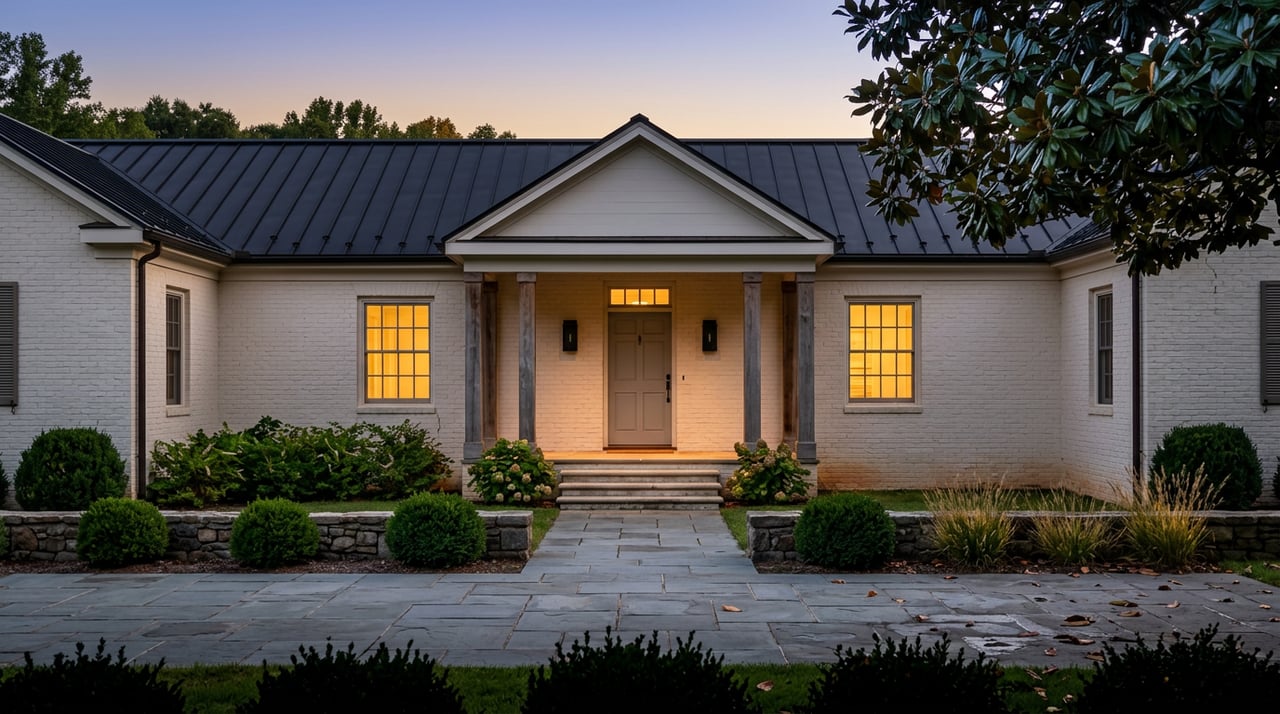
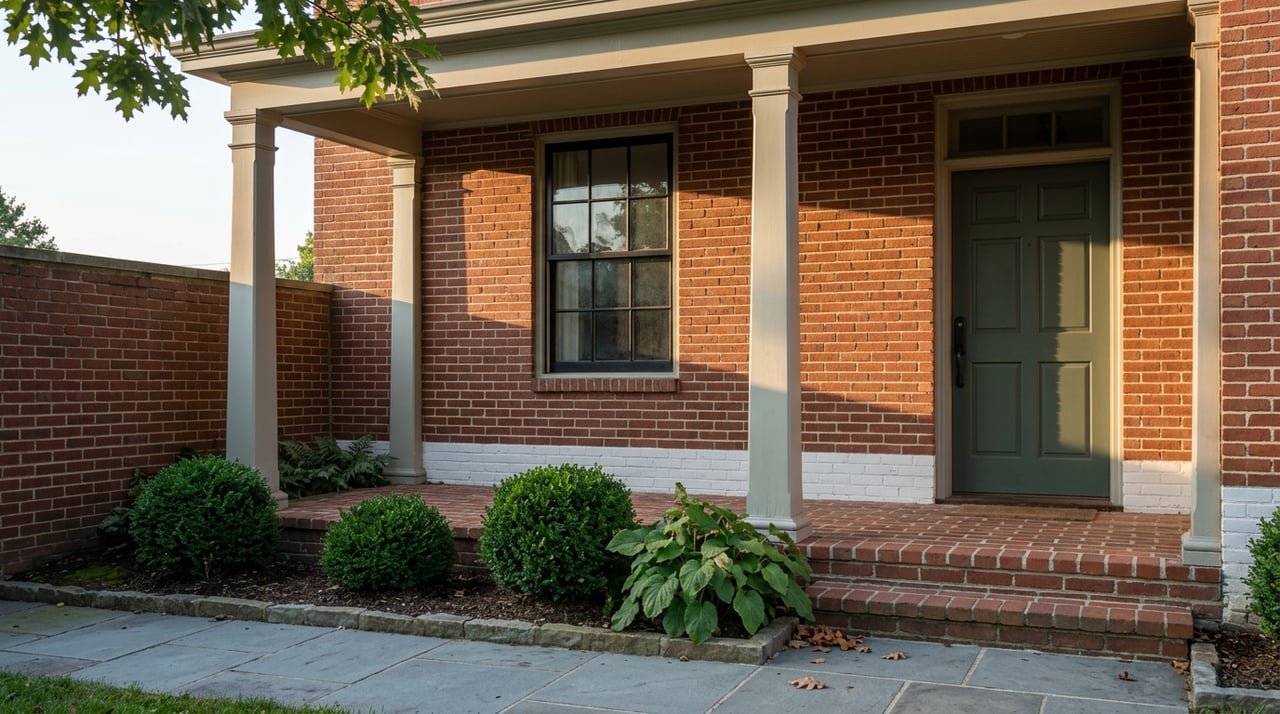
Some of this is intuitive. New construction and additions get reviewed. Demolition, even partial, gets reviewed. What surprises people is how far down the list of "exterior" the commission's reach goes. A brick or stone facade in its original, never-painted condition cannot be painted on the homeowner's decision alone. That single fact turns a weekend paint job into a formal application.
Not everything requires the full commission. The Preservation Planner can approve minor alterations administratively when they don't substantially change how the exterior looks, and some activities need no approval at all. The line between those three categories is exactly where a buyer's assumptions and the city's rules tend to diverge.
| Typically needs full HZC review | Often handled administratively | Generally outside HPO review |
|---|---|---|
| New construction, additions, demolition | Minor alterations that don't substantially change the exterior | Interior work not visible from the street |
| Painting a facade that has never been painted | Awnings, signage, and similar small-scale changes | Repairs that don't alter exterior material or design |
| Site and setting changes (fencing, some hardscape) | Small accessory structures meeting the guidelines | Systems work with no visible exterior component |
The Timeline Problem Isn't the Design. It's the Meeting.
Here is the part that actually costs buyers money and momentum, and it has nothing to do with how tasteful your color choice is.
The Historic Zoning Commission meets once a month. Applications have to be submitted at least five working days before that meeting to make the agenda. If your submission is clean, you clear the process in that single cycle. If the commission asks for something like additional color justification and returns the application with conditions, you don't get a follow-up meeting next week. You get the next month's meeting. That single missed cycle is why COA timelines that should take a few weeks stretch to 60 or even 90 days in practice, according to a Middle Tennessee painting contractor who has run historic exterior projects across the region and tracks this pattern closely.
That's a scheduling problem wearing a design problem's clothes. The commission isn't slow because the review is hard. It's slow because the review only happens twelve times a year, and missing your slot by one incomplete detail costs you a full month, not a few days. For a buyer working against a renovation loan draw schedule, an insurance deadline, or a seasonal weather window, that difference is the whole ballgame.
The practical fix is boring but effective: treat the COA conversation as a 90-day lead item, not a post-closing task. If a property inside the overlay needs exterior work you already know about, start that conversation before you're past your due diligence period, not after you've closed and discovered the calendar the hard way.
What Franklin's New Zoning Ordinance Changed, and What It Didn't
Franklin adopted a full rewrite of its zoning ordinance effective January 13, 2026, restructuring how the code organizes everything from building types to review bodies. Historic Resources now sits in its own chapter, and the Historic Zoning Commission's authority is spelled out in a dedicated Review Bodies chapter, a reorganization from how the prior code grouped these provisions.
For someone buying inside the overlay right now, the headline is continuity, not disruption. The commission still reviews the same categories of exterior change. The design guidelines, last substantially updated in 2022, still govern what the commission is looking for when it evaluates a proposal. What changed is the scaffolding around that review, not the review itself. That distinction matters if you're comparing older advice you might find online against what applies today. If a source describes the process by chapter and section number from before this year, treat the substance as still generally accurate and verify only the citation, not the underlying rule.
Where This Actually Plays Out
The Historic Preservation Overlay isn't an abstraction. It covers Franklin's award-winning Main Street, the Hincheyville neighborhood, and the residential blocks that carry Federal, Greek Revival, Italianate, Victorian, and early Craftsman architecture within walking distance of the square. Public commission agendas over the past several years show the range of what actually comes before the board: an awning at 400 Main Street, new construction at 206 Franklin Road, a ramp on Boyd Mill Avenue, a screened porch addition on Fair Street, and site work by Friends of Franklin Parks at the Park at Harlinsdale Farm. None of that is glamorous. All of it went through the same monthly cycle.
Outside the overlay's commercial core, the district's residential character extends to properties like Wyatt Hall, a home built roughly between 1800 and 1810 on Columbia Pike, the kind of structure the Heritage Foundation of Williamson County and its preservation partners point to when they talk about what the district is actually protecting. That context matters for a buyer deciding how much weight to give a COA requirement. This isn't red tape for its own sake. It's the mechanism the city built to keep a 200-year-old streetscape from disappearing one exterior renovation at a time.
Building the Calendar Into Your Offer
None of this means historic Franklin is a harder place to buy. It means the timeline for turning a house into the home you pictured runs on a different clock than the one your contractor quotes you. A buyer who understands that going in can structure an offer, an inspection period, and a renovation budget around the real calendar instead of the assumed one.
That's where having someone who has actually run renovation projects, not just closed transactions, changes the outcome. Knowing which exterior changes trigger full review versus administrative approval, and knowing to start the Preservation Planner conversation the same week you go under contract rather than the week you close, is the difference between a project that moves in one cycle and one that loses a season to a missed submission window.
Frequently Asked Questions
Does every home in Franklin fall under Historic Zoning Commission review? No. Review applies specifically to properties within the Historic Preservation Overlay district. A home just outside that boundary, even a few blocks from the square, follows the standard building permit process instead.
Can I get a sense of whether my project needs full review before I submit an application? Yes. The city's Preservation Planner is available for informal guidance ahead of a formal application, and applicants are encouraged to attend a Design Review Committee meeting for early feedback before filing.
What happens if I do exterior work without a Certificate of Appropriateness? Work requiring a COA generally needs that approval before building permitting or construction begins, which means unauthorized changes can create complications for permitting, closing timelines, and future resale disclosures.
If you're evaluating a property inside Franklin's historic core, or anywhere else across Williamson County where the renovation math and the transaction math need to be solved together, Jamie Parsons brings three decades of high-end renovation and market experience to that conversation. Request a Confidential Consultation before you write the offer, not after you've discovered the calendar on your own.